
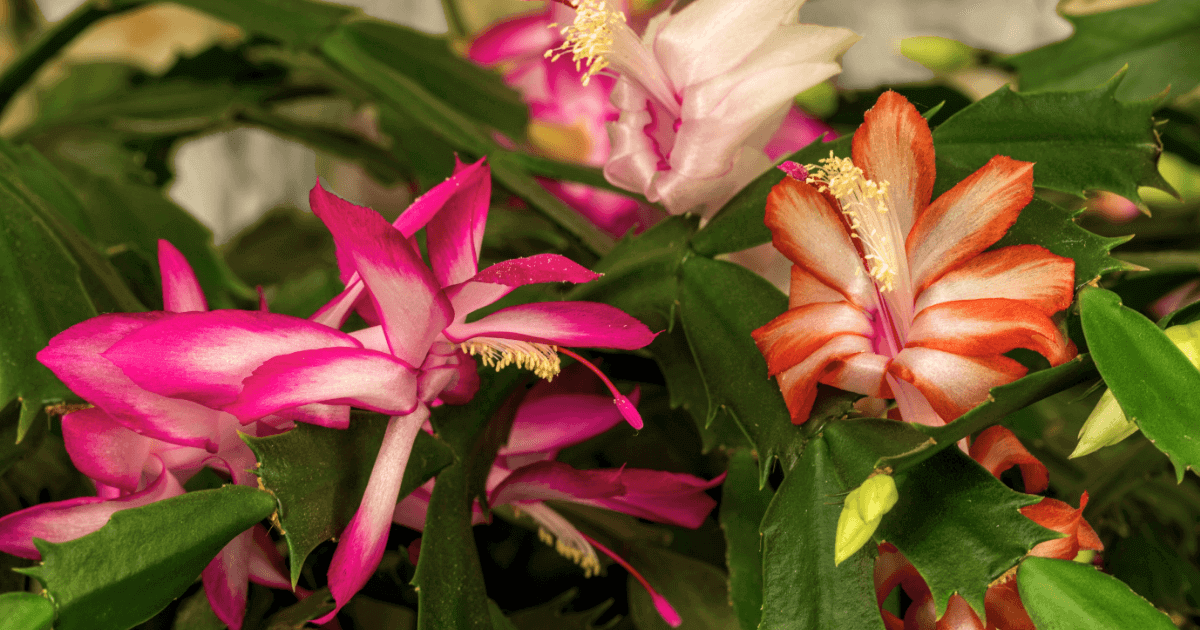
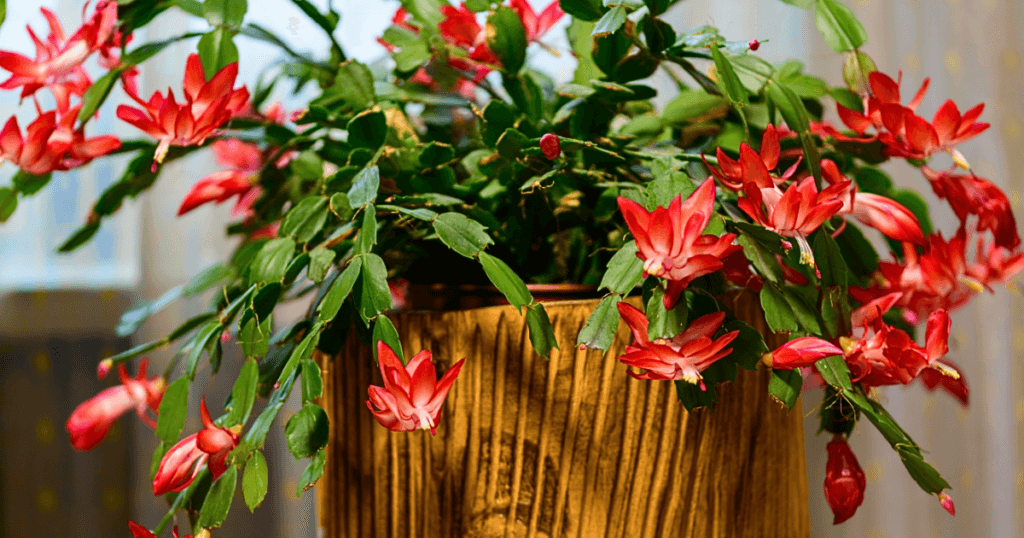
With their jewel coloured flowers and winter flowering season, its easy to see why this plant has become a festive favourite. Despite the name, though, this iconic and vibrant Cactus isn’t just for Christmas. The compact, arching leaves add sculptural interest to any space long after the flowers have gone over. Christmas Cactus care is surprising easy, and with a little effort these lovely plants will bloom year after year.
Top Tip
If you have a Thanksgiving or Easter Cactus then this guide is also for you. These holiday cacti all originate from the same rainforest environments, and have similar care requirements. The main difference is the flowering period which matches the holiday they are named after.
In this guide
Quick Christmas Cactus care facts
| ☀️ Light | Bright but indirect |
| 💧 Water | Keep soil moist but don’t overwater |
| ♨️ Humidity | High |
| 🪴 Compost | Light and free-draining |
| 🌺 Flowering | November – January |
Best location for a Christmas Cactus
Originating in tropical rainforests, they need a humid location to thrive. Bathroom windowsills are ideal, provided that they aren’t in direct sun. Keep them warm in Spring and Summer – around 18–20°C (65–69°F) is ideal. In Autumn though it’s good to move it somewhere dryer and cooler to encourage blooming.
Top Tip
If you have a Thanksgiving or Easter Cactus you should adjust this cooler period to reflect the plants flowering season. A general rule of thumb is to allow your plant to enter its dormant period about 8 weeks before you want it to flower.
How to water a Christmas Cactus
Like other tropical plants, proper Christmas Cactus care requires reliable but not excessive watering. Don’t overwater as this can cause root rot, but don’t let the compost dry out either. For best results, adjust your watering schedule to the time of year, giving more water in the hot summer months and during flowering, and less in the colder months after flowing has finished.
Top Tip
You can check your Cactus moisture levels by gentle putting your finger into the soil. In summer, give it water if the top inch feels dry. In late winter you can increase this to 3 inches.
Best compost for a Christmas Cactus
As a tropical Cactus, the best compost to use is the one which mimics its natural environment. Focus on compost that is light and airy to allow proper drainage and prevent root rot. Avoid anything heavy which will trap water or become compacted.
Top Tip
There’s no need to buy a specialist succulent compost. A simple mix of regular potting soil with something like perlite or bark is perfect.
Common Christmas Cactus problems
While generally resilient, there are some common problems your Cactus may encounter.
Lack of flowers
Christmas Cactus bloom best after a period of dormancy. To help promote Christmas flowering, ensure that you move your plant somewhere darker and cooler from October onwards.
Root rot
Root rot is a classic sign of overwatering or leaving you plant to stand in water. It’s easy to identify by the visible discoloured and unpleasant smelling roots. You may also notice drooping or yellowing stems. If you spot this then you’ll need to act fast to save your plant. Trim off the affected roots and allow the plant to dry out completely, then repot in fresh compost.
Bud drop
This is a frustrating yet common problem which usually signals a general level of unhappiness. To find your culprit, run through the following list:
- Test the soil. If it is dry below 1 inch in summer or 3 inches in winter then it needs more water.
- Does the soil feel excessively wet? You may be over watering, or have poor drainage caused by compacted soil or an unsuitable pot. Let the plant dry out completely and then report it in a well draining pot with fresh compost.
- Check your air temperature. In winter, indoor heating can cause too much heat and dry air. In summer, open windows can cause chilly draughts. Ensure your plant is not sat next to radiators or draughty areas.
Mealy bugs
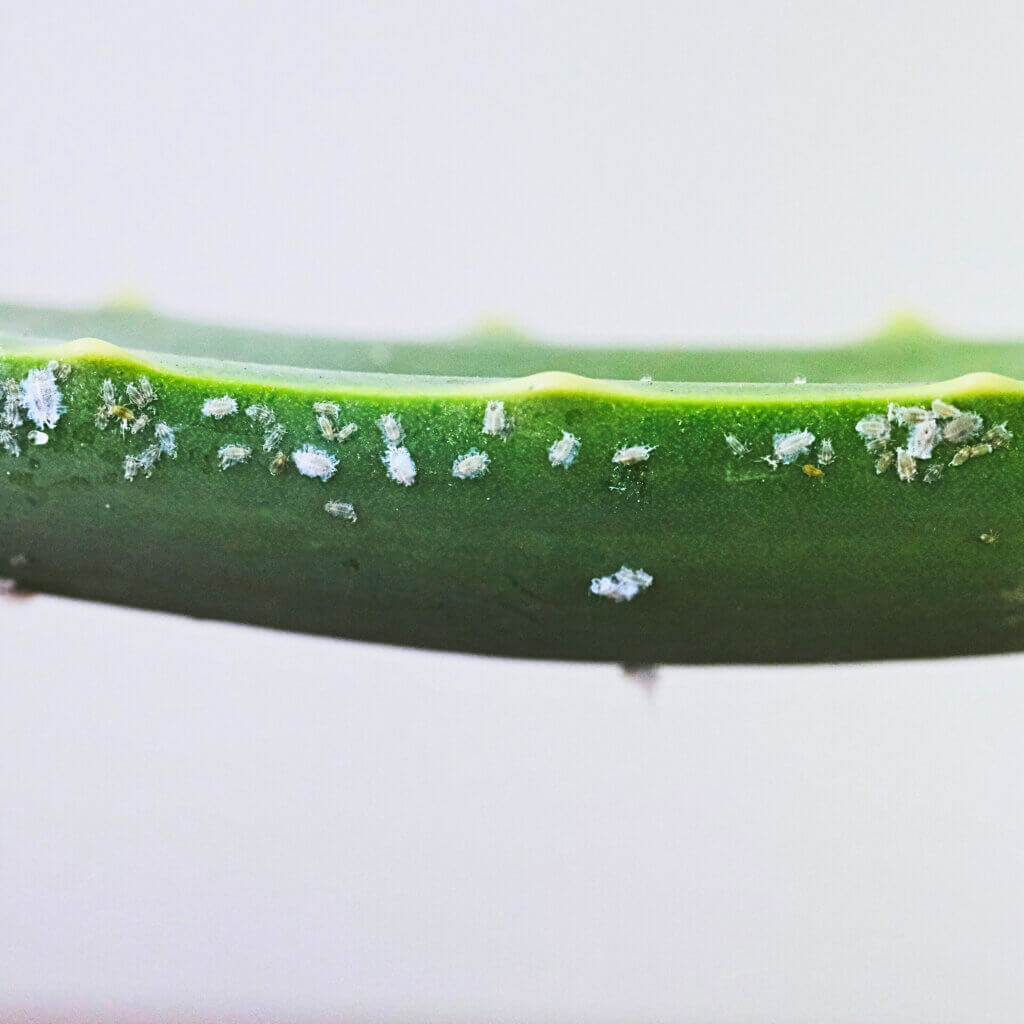
If you spot a strange white fluff developing on your cactus then you may have mealy bugs. This common household pest loves humidity so it’s no suprise they often are often found on Christmas Cacti.
If dealt with promptly your plant should recover just fine. For a small population, manually removing them with a damp cloth is usually the easiest way.
They are usually already on plants when they purchased, so be sure to check stems carefully when choosing your cactus or when brining a new plant into your home.
How to propagate a Christmas Cactus
The best time for Christmas Cactus propergation is during its active growth period in late Spring to early Summer, after flowering has ended.
Start by identifying a stem with new growth and take a cutting of 2-5 joined segments using a sharp, clean knife.
Leave you cutting out in the air overnight to dry out, then plant the cut end 1 inch deep in a well draining potting mix.
Cover your cutting with a plastic bag and place it somewhere warm with bright indirect light.
Water just enough to keep the compost moist. Once a day, remove the bag to prevent an excessive build up of moisture.
After about 3 weeks you should see signs of growth. Gently check the base of your cutting for roots, and transplant into a bigger pot once these are about an inch long.
Care for young plants the same way as you would the parent plant, and allow a couple of years for it to mature enough to bloom.
Top Tip
When you take your cutting, remove the section at a joint. The parent plant will simply branch out again from this point and continue to grow unharmed.
Christmas Cactus care FAQs
Q: Is the Christmas Cactus safe for pets?
A: Yes, Christmas cactus is non-toxic to cats and dogs (though they may get an upset stomach if they eat too much of it).
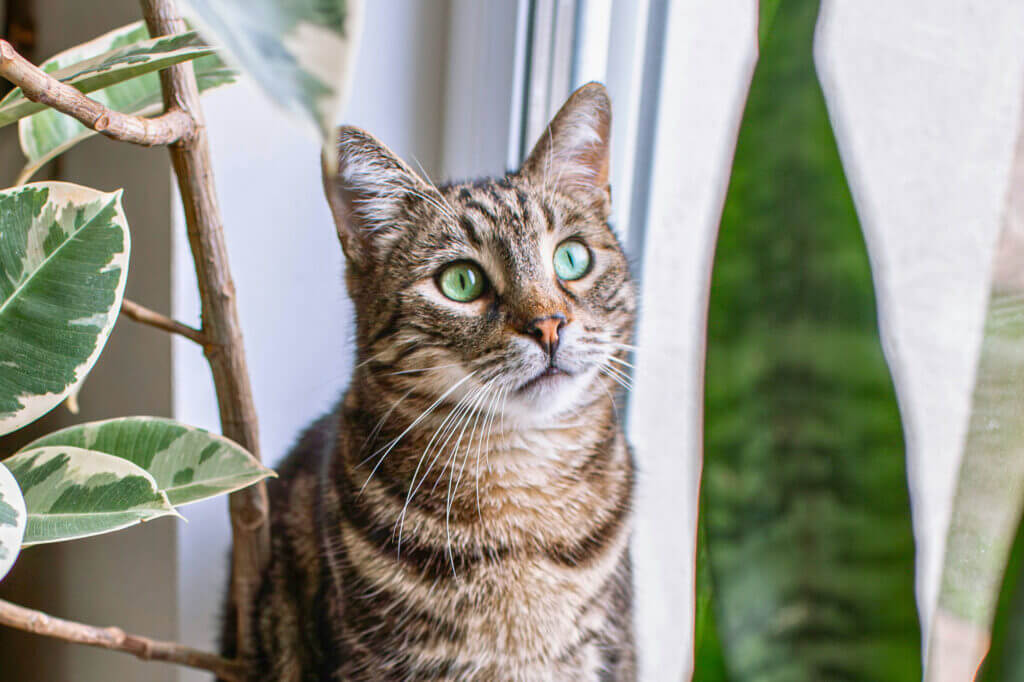
Looking for more pet safe houseplant options? Check out this list of 26 cat safe houseplants for every room.
Q: How long can a Christmas Cactus live?
A: Amazingly they can live to be over 100 years old! Some people even pass them down as heirloom plants.
Q: How big can a Christmas Cactus grow?
A: Growth will vary based on age, care, and pot size, but on average a healthy plant will grow up to 12 inches tall and 24 inches wide. Very mature and carefully nurtured plants can grow to be vast. After 20 years of diligent Christmas cactus care, your plant may even grow to be 8 feet wide and 4 feet high!
Final thoughts
Christmas Cactus care doesn’t need to be a chore. Once you get into a rhythm with their water and light requirements they will grow happily and reward you with beautiful festive blooms. Well worth the effort.