
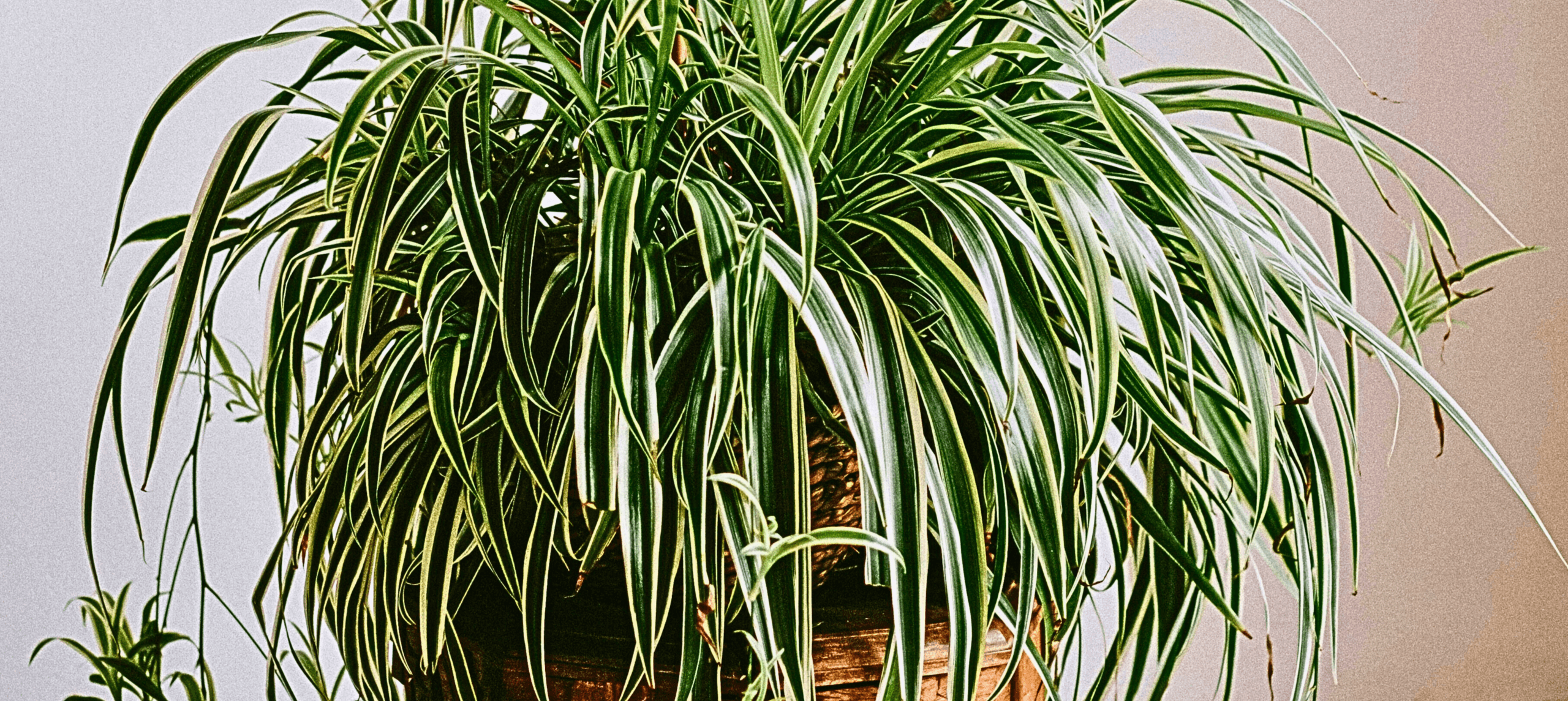
Spider plants (Chlorophytum comosum) are some of the easiest and most satisfying houseplants to grow. Spider plant care is famously beginner friendly, and with very little effort you can easily be rewarded with a large amount of lush greenery. They are hardy, low maintenance, and can tolerate a decent amount of neglect, making them excellent choices for beginner or time poor gardener.
While Spider plants are actually native to southern Africa, they have become a familiar sight in homes around the world. They are bought for their unusual foliage which is arching and variegated, with green and white striped leaves. They grow fast, they’re easy to propagate, and they’re totally pet safe (seriously, my cat ate several of the spiderlings I was growing). All in all, they’re a really excellent choice for any home. Read on to get the complete Spider plant care guide and find out how to get the best out of your plant.
In this guide
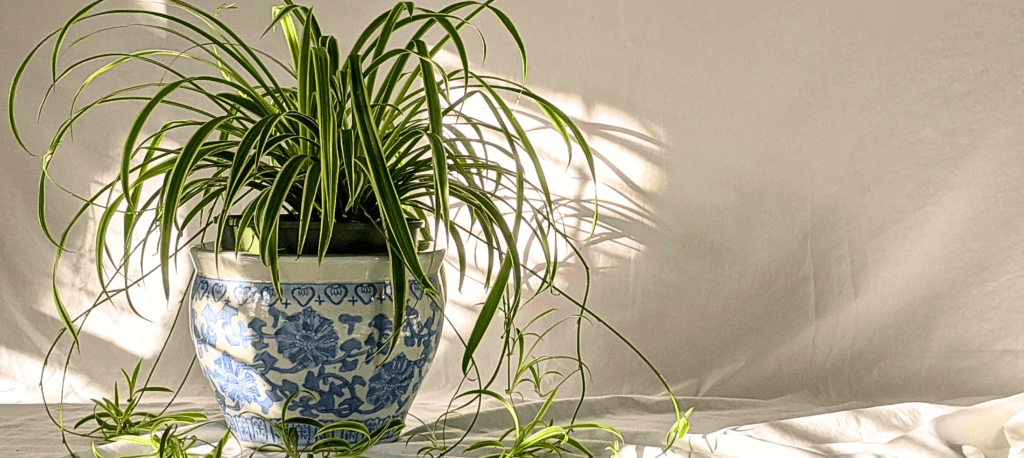
Quick Spider plant care facts
| ☀️ Light | Bright but indirect |
| 💧 Water | Keep soil moist but don’t overwater |
| ♨️ Humidity | Average |
| 🪴 Compost | Peat-free multipurpose |
| 🌺 Flowering | Year round. Most common in late summer |
Best location for a Spider plant
Spider plants do best in bright, indirect light. Too little light and your plant may lose its iconic variegated markings. Too much and it can become scorched.
Signs your Spider plant is getting too much light
- The leaves start to turn brown and crispy.
- The plant is visibly wilting despite sufficient water.
- The soil is very dry and crumbly, meaning you need to water multiple times a week.
Signs your Spider plant is getting too little light
- Your plants growth starts to slow.
- The leaves lose their variegation.
- The soil never seems to dry out meaning you need to greatly reduce watering.
How to display your Spider Plant
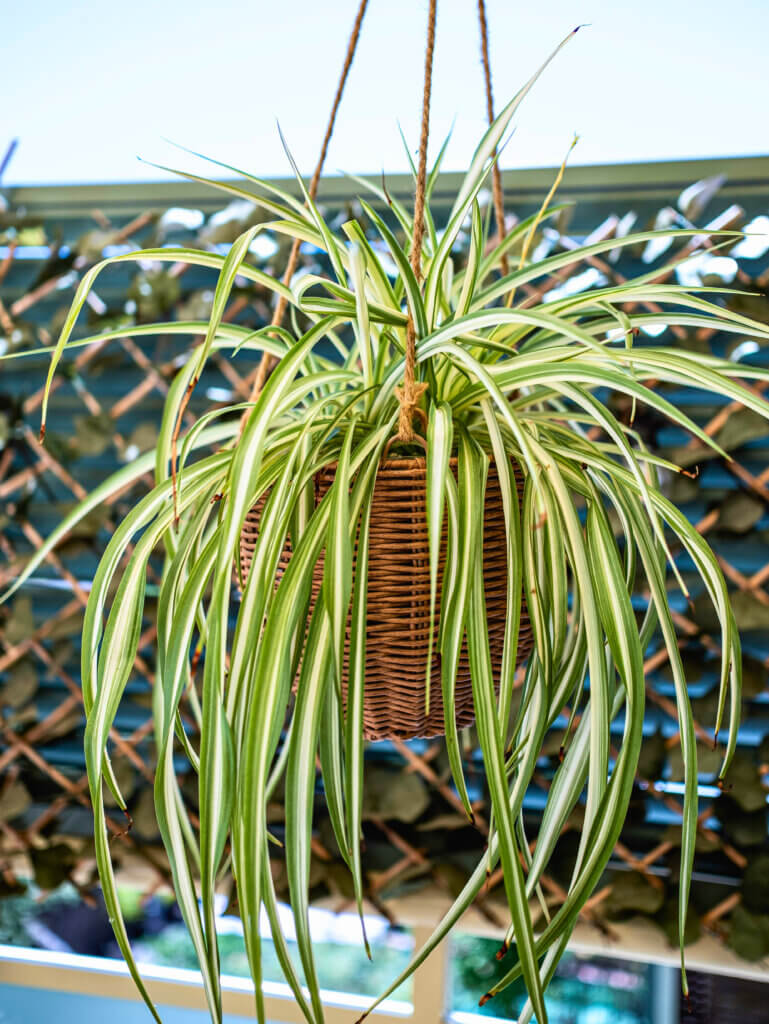
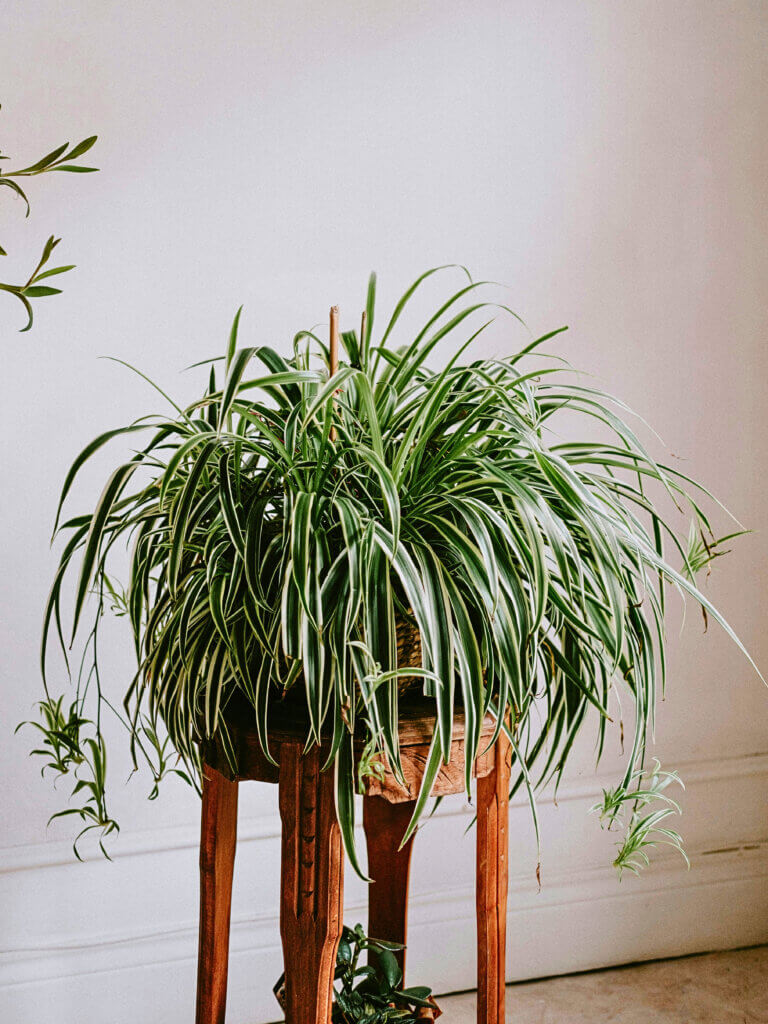
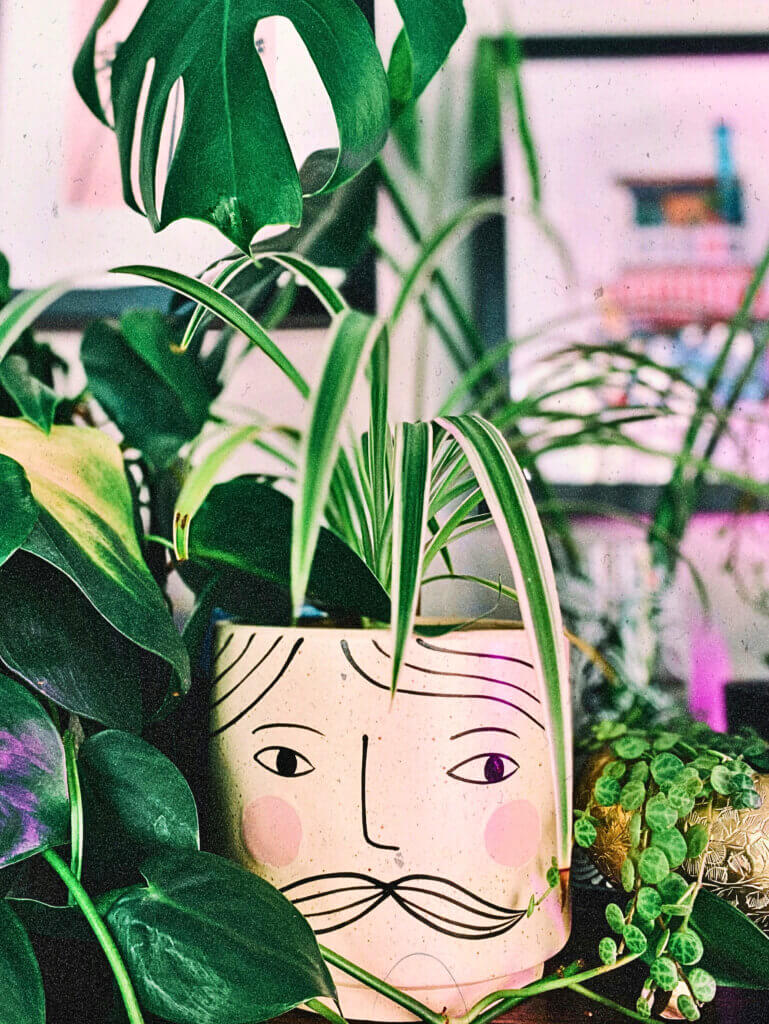
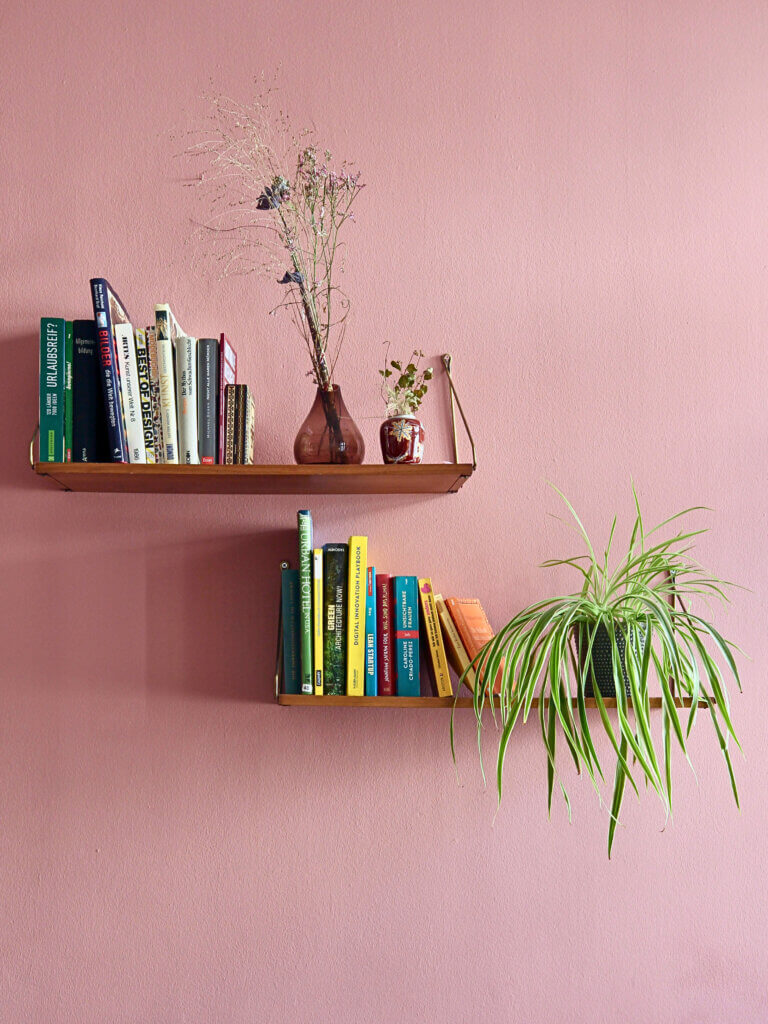
Spider plants have gorgeous long leaves which arch and trail. They are especially attractive when they have baby ‘spiderlings’ dangling from the ends. Because of this, many people choose to display them in hanging baskets or on high shelves where their cascading habit can be best appreciated. They’re especially effective combined with other lush or trailing plants.
How often to water a Spider plant
Spider plants are famously tough and can tolerate neglect well. They have substantial roots which are well adapted to enduring periods of drought in their native South African habitat, so an imperfect watering schedule is unlikely to hurt them.
Although Spider plants can survive some neglect, it’s obviously best to try and avoid this. For the best Spider Plant care you should aim to water your plant around once a week, making sure to let the soil dry out between watering. For the healthiest, happiest plant, you should aim for an adaptive and regular schedule that considers the seasons, the environment, and the actual condition of the plant’s soil.
When to increase watering:
- During periods of high heat, usually in Summer or if you get hot spells in Spring or Autumn.
- When humidity is low, usually because your plant is kept in a room with dry air.
- If your plant is actively growing – look for new leaves, flowers, or offsets.
- If your plant is showing signs of underwatering, such as wilting or brown, crispy leaves.
When to reduce watering:
- When growth slows, usually in the Autumn.
- When the weather starts to cool, leading to less evaporation.
- If your plant is in a space with high humidity, like a bathroom with poor ventilation.
- If your plant is showing signs of overwatering, such as yellowing leaves or soft brown spots of leaves.
When to water most infrequently:
- When heat and humidity are at their lowest, usually during Winter.
- If your plant is at risk of, or recovering from, root rot – look out for roots which seem to be turning mushy.
Top Tip
There is no substitute for monitoring the actual condition of your plant’s soil. Gently put your finger into the soil to check the moisture levels, and give more water when the top 2 inches feel dry. If in doubt, it’s better to underwater than to overwater.
Best compost for a Spider plant
Spider plants have large, fleshy roots so they typically need repotting every couple of years. The good news is that they don’t need anything fancy in terms of compost – a general peat-free multi-purpose compost will do nicely.
The only exception to this is if you need to keep your plant somewhere where the soil will struggle to dry out, such as somewhere very cool or with very high humidity. Spider plants hate having soggy soil and it can quickly lead to root rot. In this case it would be a good idea to look for a chunkier compost which will allow your plant the best chance at having good drainage.
You probably won’t need to worry about fertilisers with a Spider plant. If you give them fresh compost every year or so that should be sufficient for them.
Common Spider Plant problems
While generally very resilient, there are some common problems your Spider plant may encounter.
Yellowing leaves
This is typically a sign of overwatering. Either reduce your watering schedule or try moving your plant to a brighter spot where the compost will be better able to dry between watering.
Root rot
Root rot is a classic sign of overwatering or leaving you plant to stand in water. You may see the roots turning brown and becoming mushy, and the compost will probably begin to smell unpleasant. Yellowing leaves or soft brown spots on leaves are another early warning sign. If you spot this then you’ll need to act fast to save your plant. Trim off the affected roots and allow the plant to dry out completely, then repot in fresh compost.
If your Spider plant survives you need to ensure you either change your watering schedule or your plants environment to stop the same thing happening again.
- Check your plant is in a pot with plenty of drainage holes.
- Move your plant somewhere warmer and dryer to allow water to evaporate more easily.
- Experiment with different kinds of compost, focusing on ones that promise good drainage.
Brown, crispy leaves
This is a common sign that your plant is thirsty. You may be underwatering it, or it may be sat in direct sun causing its leaves to become scorched. Once you’ve fixed the cause of the problem simply trim off the brown ends. Spider plants tolerate drought well so it should bounce back just fine.
Loss of variegation
This is usually a sign that your plant isn’t getting enough light. Try moving it to a brighter spot and see if that restores its vibrance. As always, be careful not to move it into direct sunlight.
Lack of offsets
The most common solution to this is usually just time and patience. Most spider plants needed to be at least a year old to produce offsets, so if your plant is fairly new that’s likely the problem.
If your plant is more mature then try moving it somewhere warmer and brighter. This will encourage it to grow more vigorously.
If all else fails you could try repotting it into a smaller container. This will encourage your plant to spend less time expanding its root system and more time diverting enegy to offsets and flowers.
Aphids
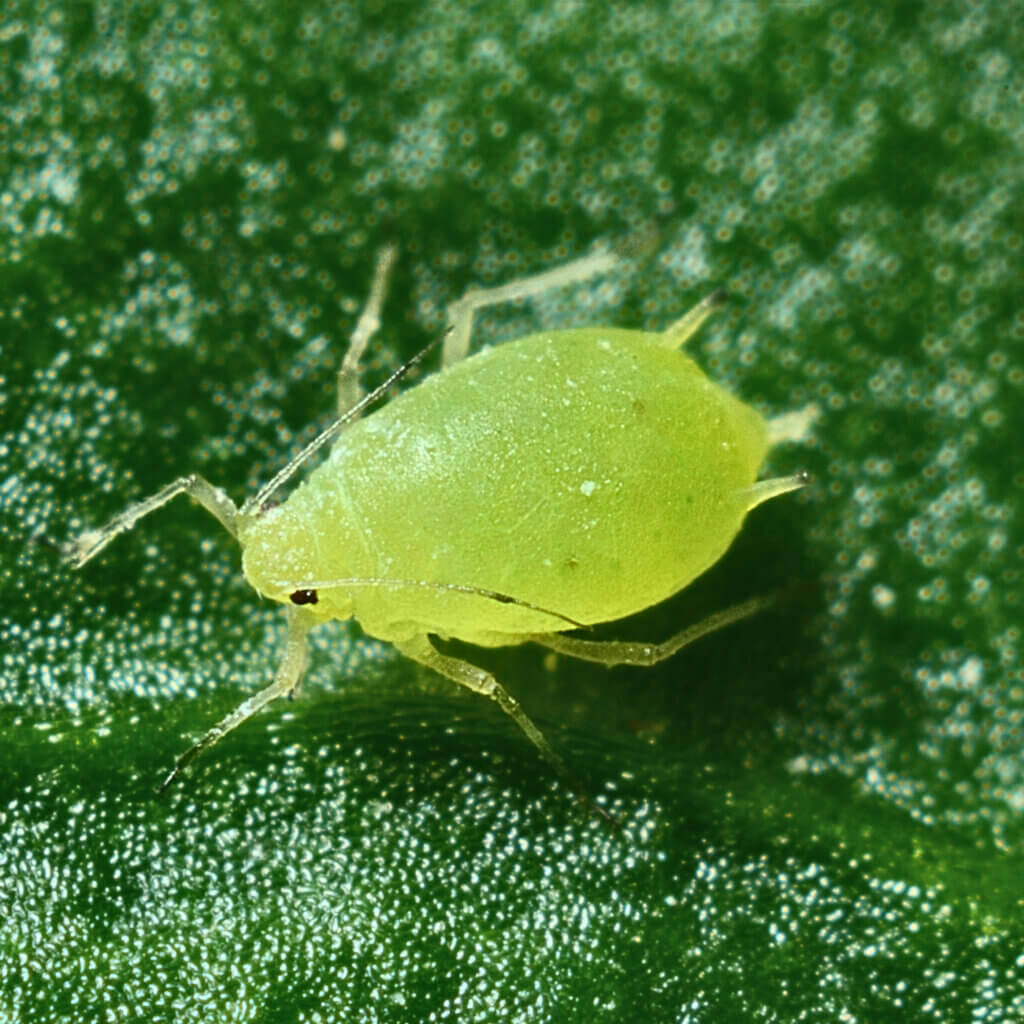
Aphids are prolific sap suckers who enjoy feeding on the soft leaves of the Spider plant. If you are planning to buy a Spider plant be sure to check the leaves before buying. If you have already spotted aphids it’s best just to wash or gently wipe them off.
How to propagate a Spider plant
Spider plants are seriously easy to propagate. Here are the most common ways of doing so:
Propagate using offsets
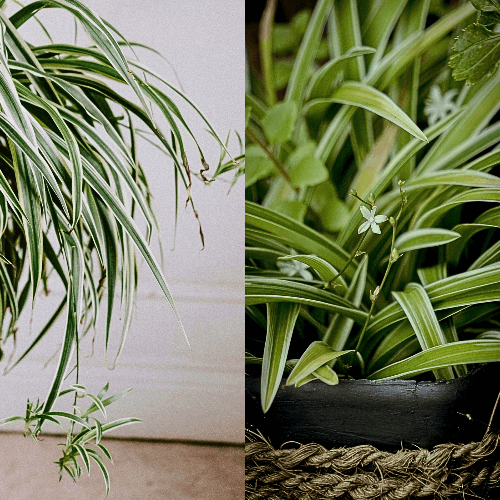
If you have a mature Spider plant you’ll probably have noticed the trailing mini Spider babies that grow from the ends of their leaves. These follow after the plant has flowered, and are commonly called “plantlets”, “offsets” or (my favourite) “spiderlings”.
These are the easiest way to propagate your plant. Simply detach a good sized offset and pop it into some water or peat-free multipurpose compost. If putting in water first, watch for developing roots and then pot it on once they have developed.
Propagate using division
Not all varieties of Spider Plant produce offsets, for example Chlorophytum capense ‘Variegatum’. If you bought you Spider plant from a local garden centre then you almost certainly have an offset producing Chlorophytum comosum, but it’s worth double checking before you buy.
If you have a variety that doesn’t produce offsets, or just have a mature plant that has outgrown its space, then propagation by division is a good choice. Simply split the plant into multiple smaller plants, either by pulling them apart or using a knife to cut through the roots. As long as there are healthy roots attached to your divided pieces, these can be planted into their own pots and left to establish.
Spider Plant care FAQs
Q: Are Spider plants safe for pets?
A: Yes, Spider Plants are non-toxic to cats and dogs.
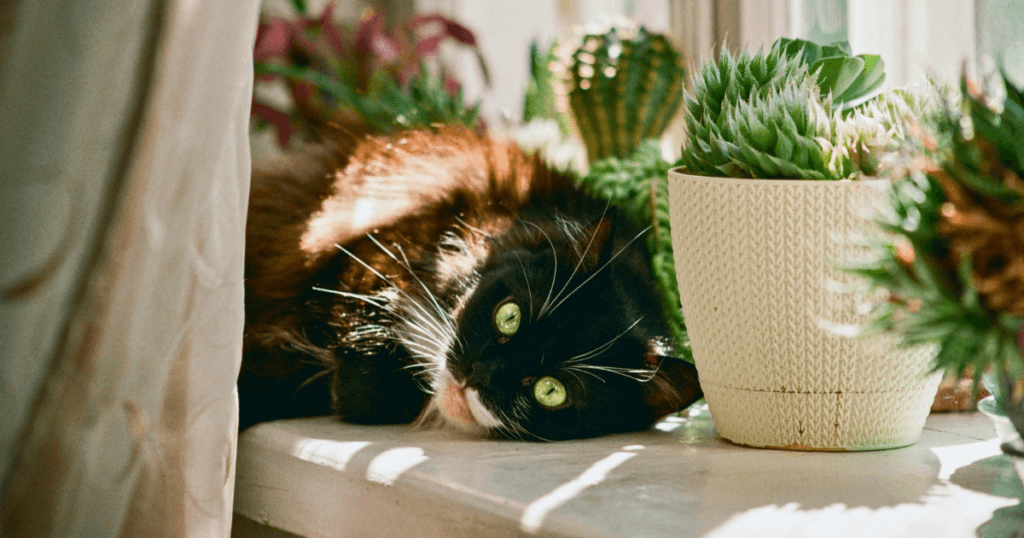
Looking for more pet safe options? Check out the complete guide to choosing and styling pet safe houseplants.
Q: How long can a Spider plant live?
A: With proper care Spider plants can live for over 20 years, although 10 is more realistic when grown as potted plants. Not to worry, by the time it has come to the end you’ll probably have potted up so many spiderlings that you’ll have a dozen replacements waiting to take its place!
Q: How big can a Spider plant grow?
A: Healthy and mature Spider plants can grow to be 50cm X 50cm. That doesn’t take into consideration their trailing leaves and dangling offsets, though, which can add another 50-100cm in lenght. If these runners get too hard to manage you can always just snip them off.
Final thoughts
Spider plants absolutely deserve their place in any home. Whether you’re a complete beginner or an experienced Greenthumb, these wonderful plants earn their keep and then some. By following these easy Spider plant care tips, you’ll keep your plant healthy, happy, and producing plenty of baby spider plants for years to come.