
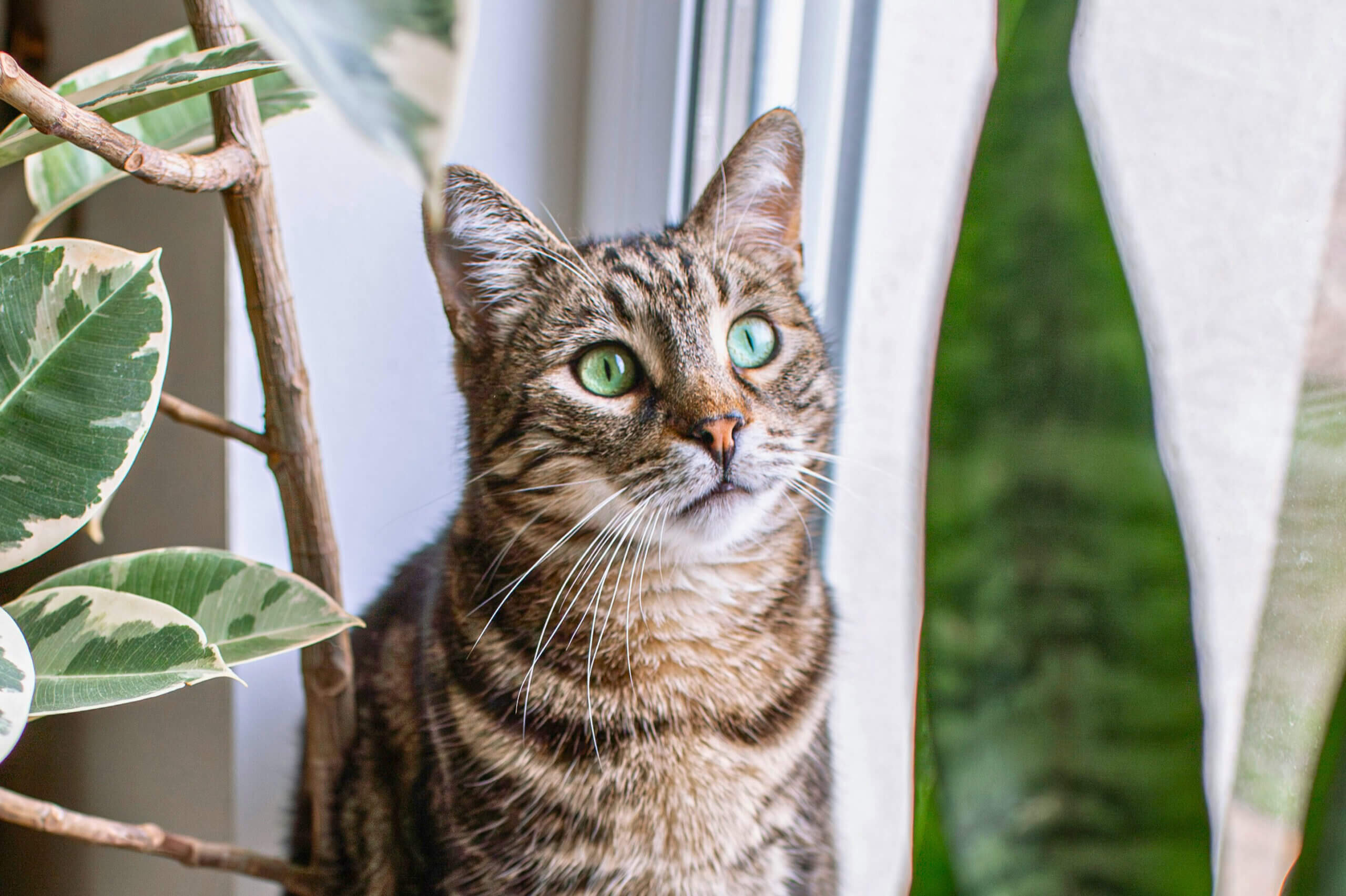
Nothing beats the cosiness of sharing your home with cats, but for those who also want to fill every room with greenery, finding suitable cat safe houseplants can be a challenge.
Cats are highly curious by nature with the ability to jump onto – or squeeze into – almost every space in the house, meaning that virtually nowhere is out of bounds for them.
Choosing houseplants for a home with cats therefore means balancing beauty, practicality, and safety. Luckily there are many gorgeous and non toxic plants to choose from.
This guide lists 26 cat safe houseplants, recommended by Cats Protection, so you have something that is safe and suitable for every space in your house.
In this guide
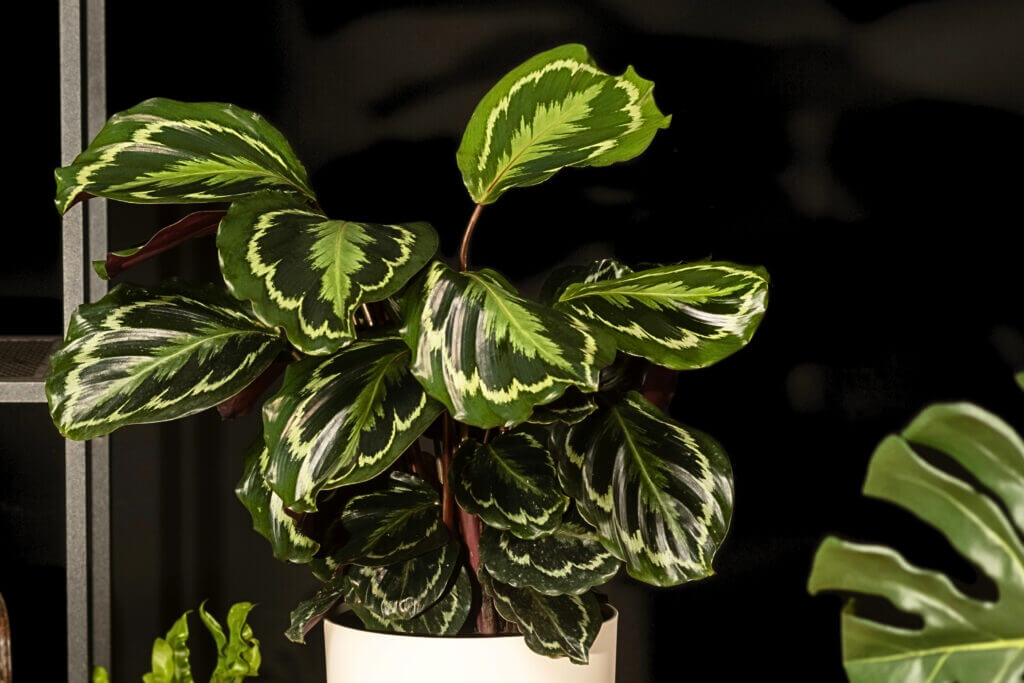
Low-Light Areas
These cat safe houseplants are ideal for hallways, north-facing rooms, and corners with limited sunlight.
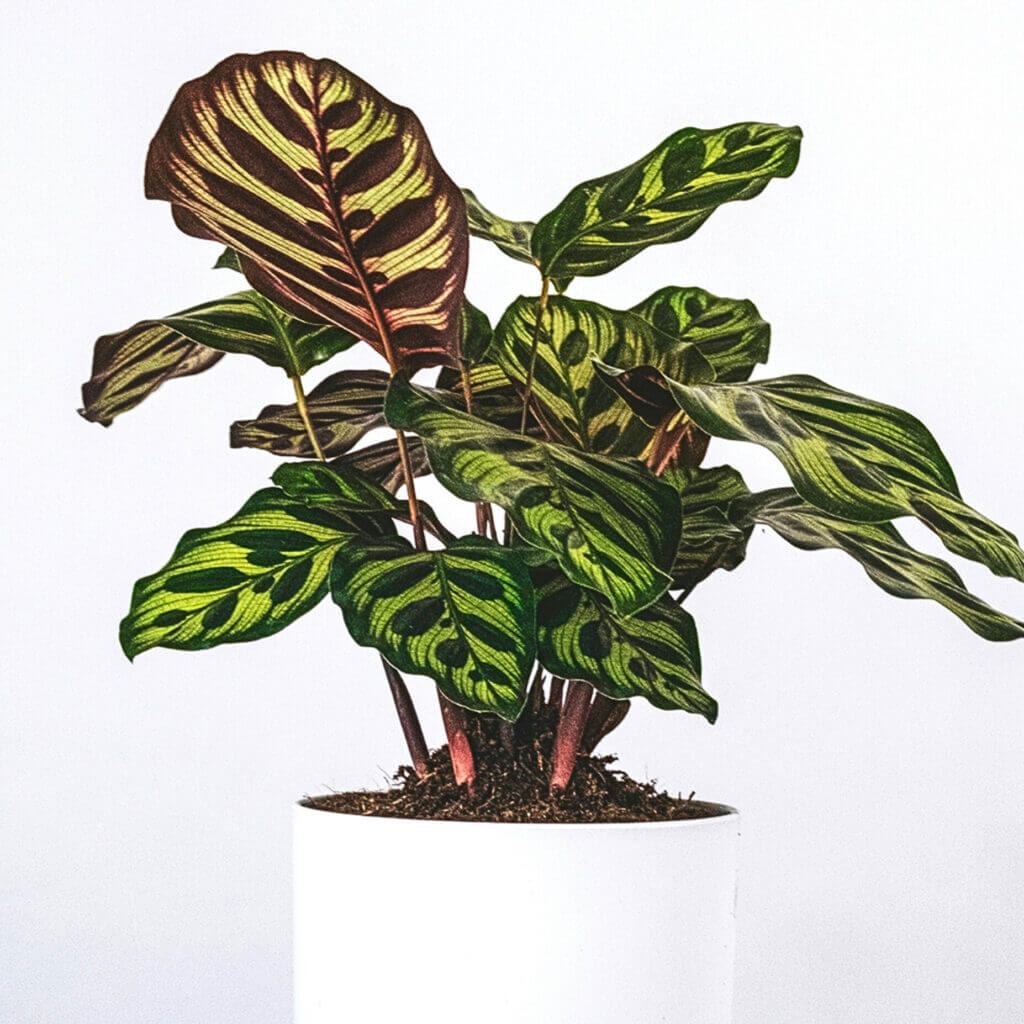
1) Peacock Plant (Calathea)
Variously known as the Peacock plant, Prayer plant, and even Rattlesnake Plant, Calatheas are prized for their uniquely patterned leaves, which often move throughout the day. They prefer shaded or gently lit locations, as direct sun can fade their markings. Consistent moisture, warm temperatures, and higher humidity help keep their foliage healthy and vibrant.
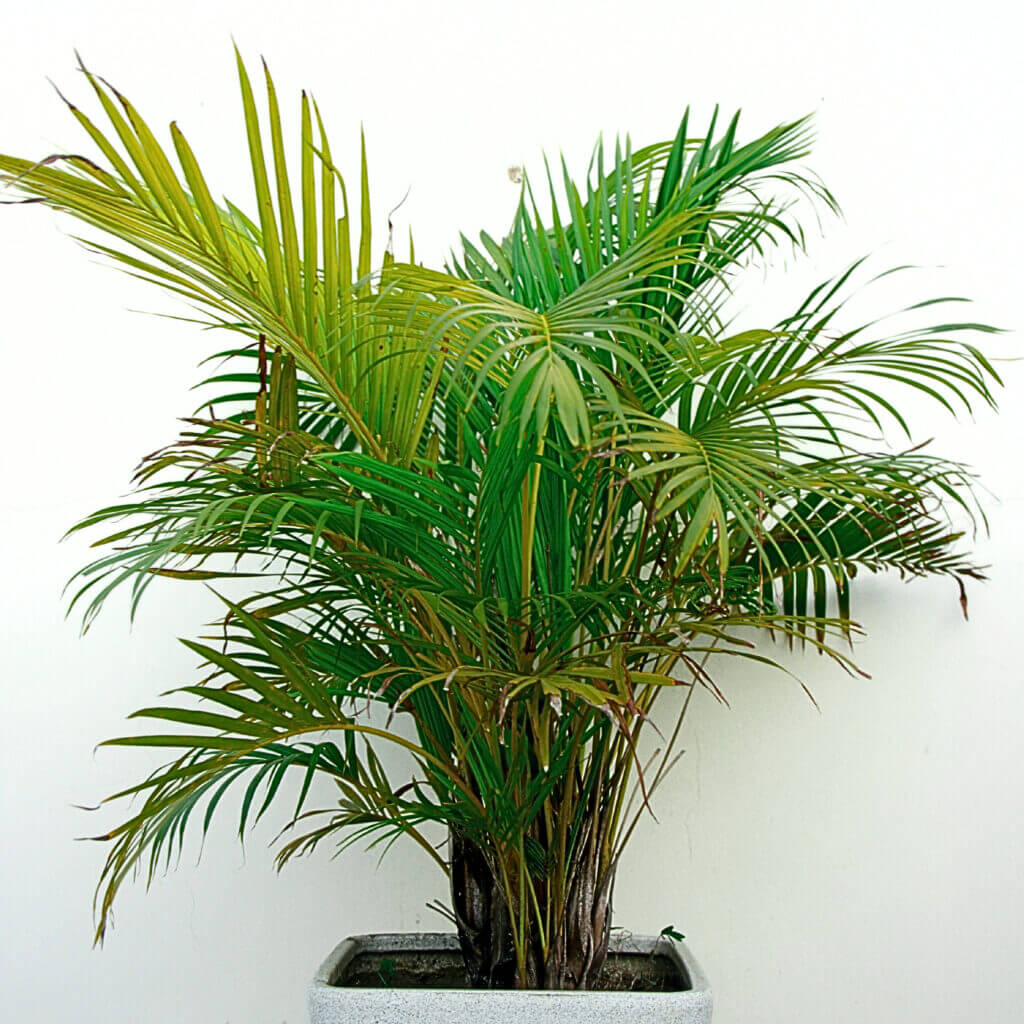
2) Kentia Palm (Howea Forsteriana)
With neat arching fronds and a compact habit, Kentia palms are perfect for adding height and elegance to shady spaces. They are slow growing and adapt well to moderate or low light. For best results, keep their soil evenly moist and resist repositioning them once they are settled into a room.
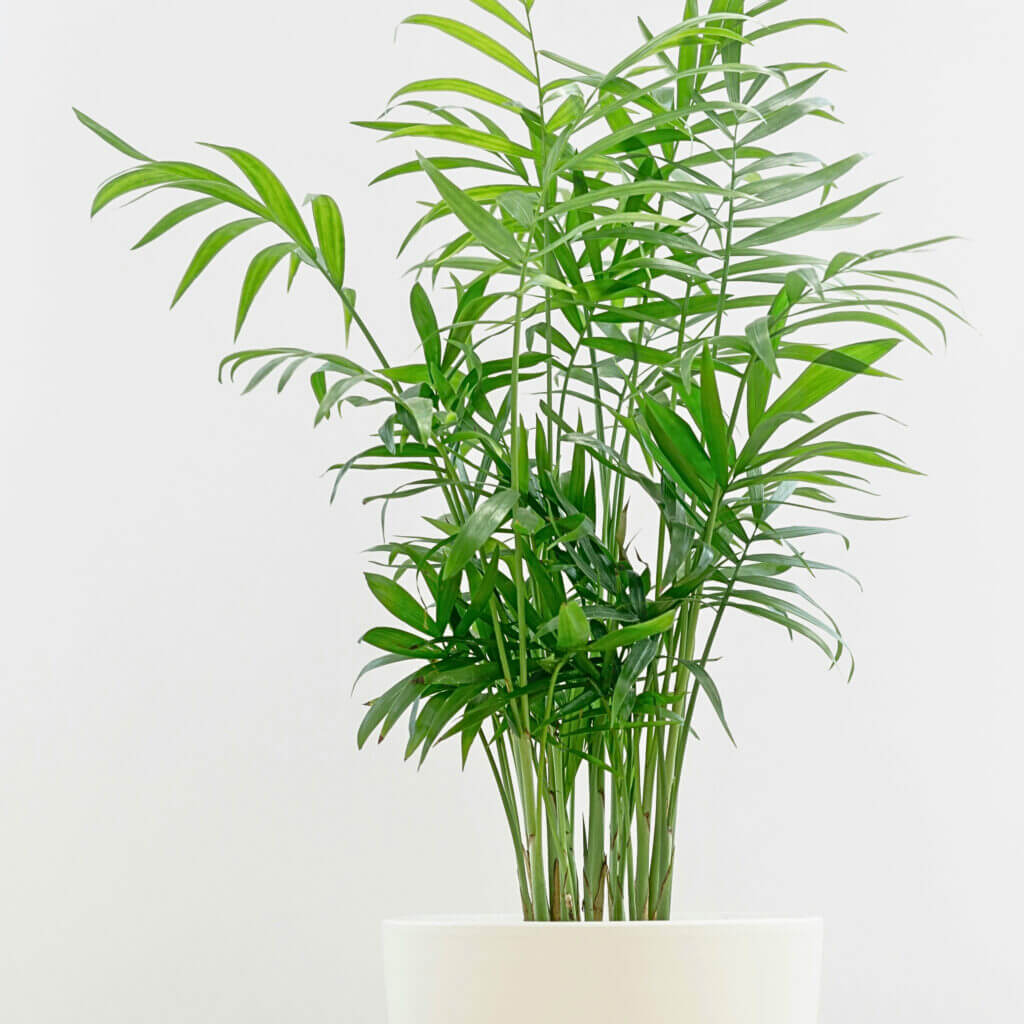
3) Parlour Palm (Chamaedorea elegans)
This compact palm is well suited to indoor life and lower light levels. Its soft, feathery fronds grow from slender stems and remain manageable over time. Parlour palms prefer consistently moist soil, stable temperatures, and protection from draughts or direct sunlight.
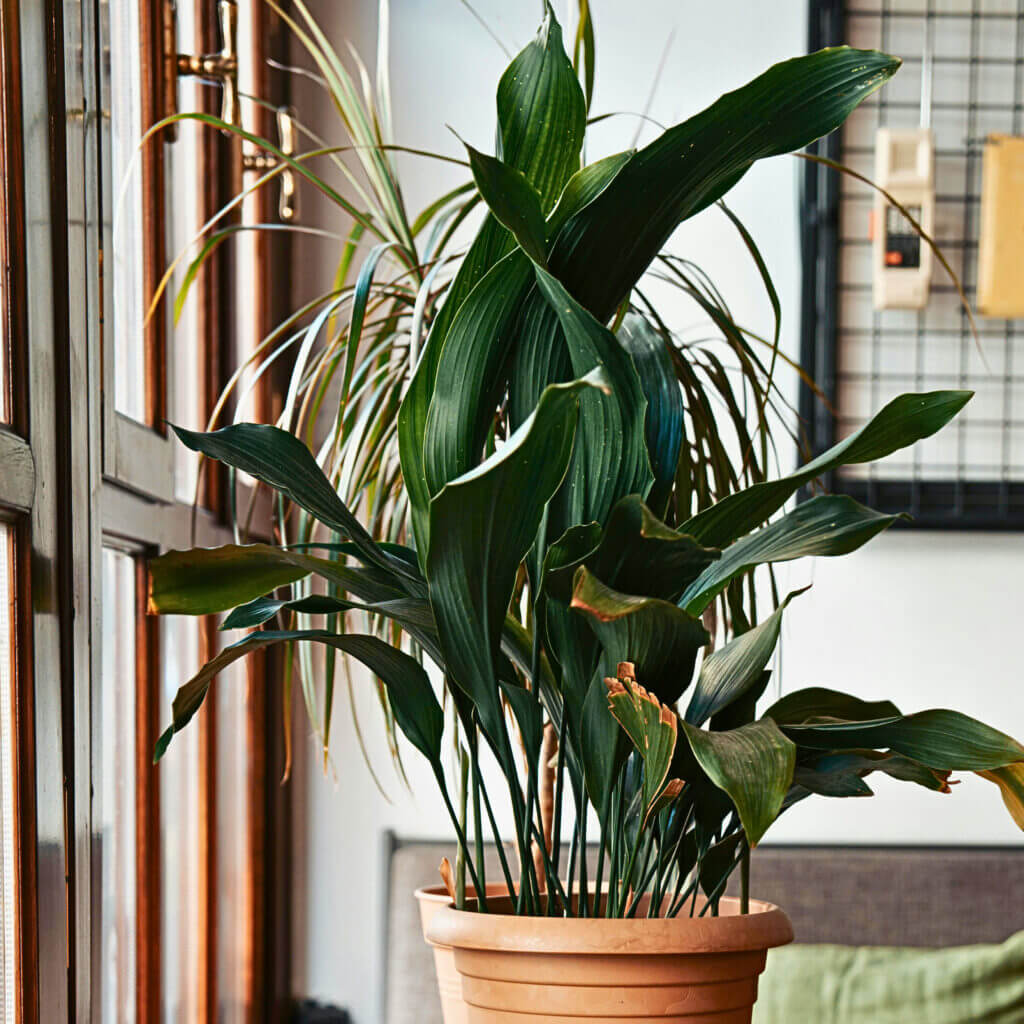
4) Cast Iron Plant (Aspidistra)
The cast iron plant is prized for its toughness and adaptability. Its upright, deep-green leaves grow slowly and tolerate low light, temperature changes, and inconsistent watering. It prefers lightly moist soil but copes well with occasional neglect, making it ideal for dim or forgotten areas.
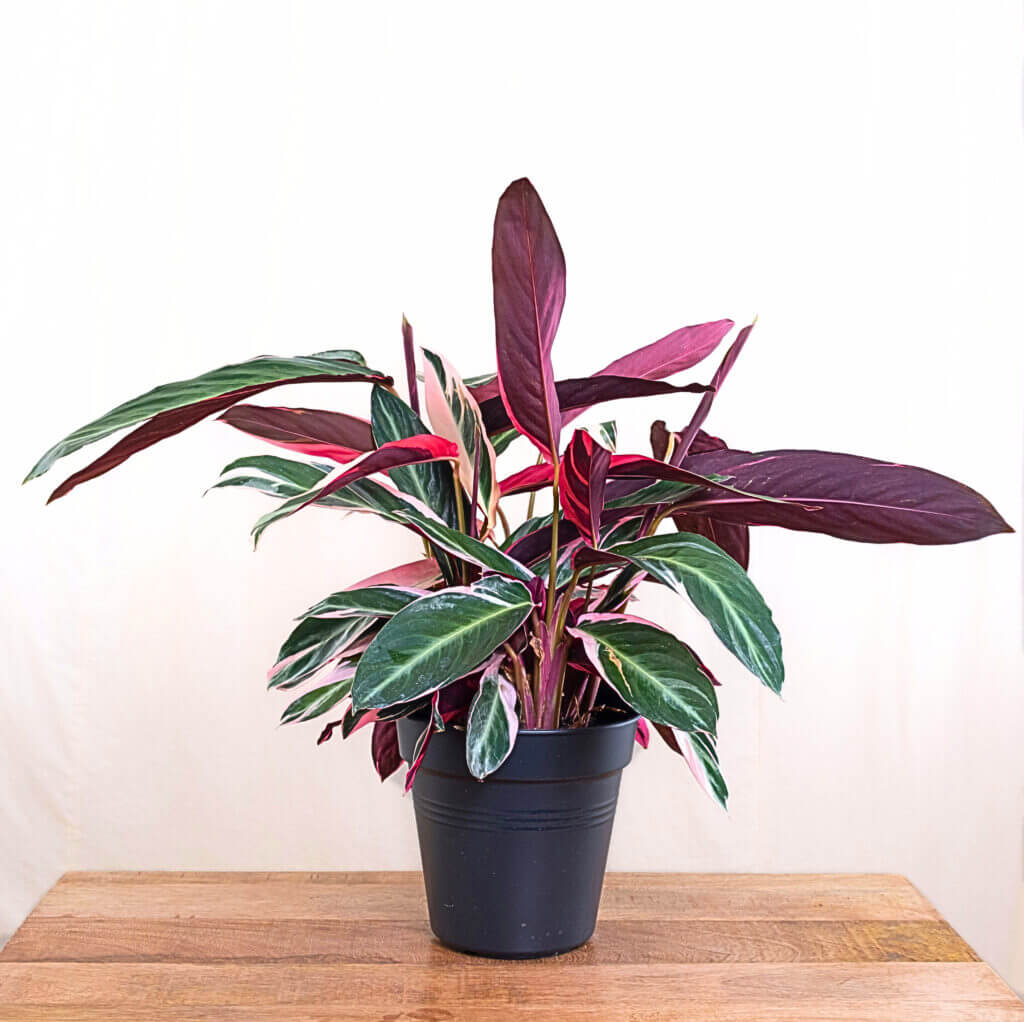
5) Stromanthe
Stromanthe plants offer bold foliage in shades of green, cream, and pink. Provided they have some brightness without being in direct sun, they will cope better with low light than many other tropical plants. For best results simply keep their moisture levels steady, the humidity high, and try not to disturb them.
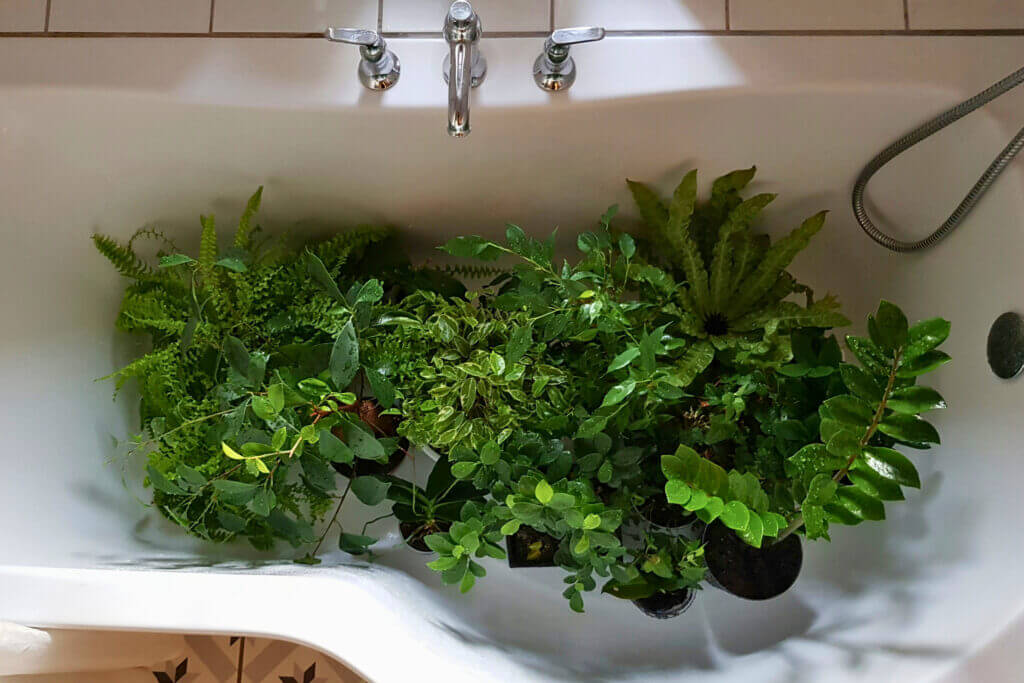
Humid Rooms
These cat safe houseplants are best suited to kitchens, bathrooms, and rooms with naturally higher moisture levels.
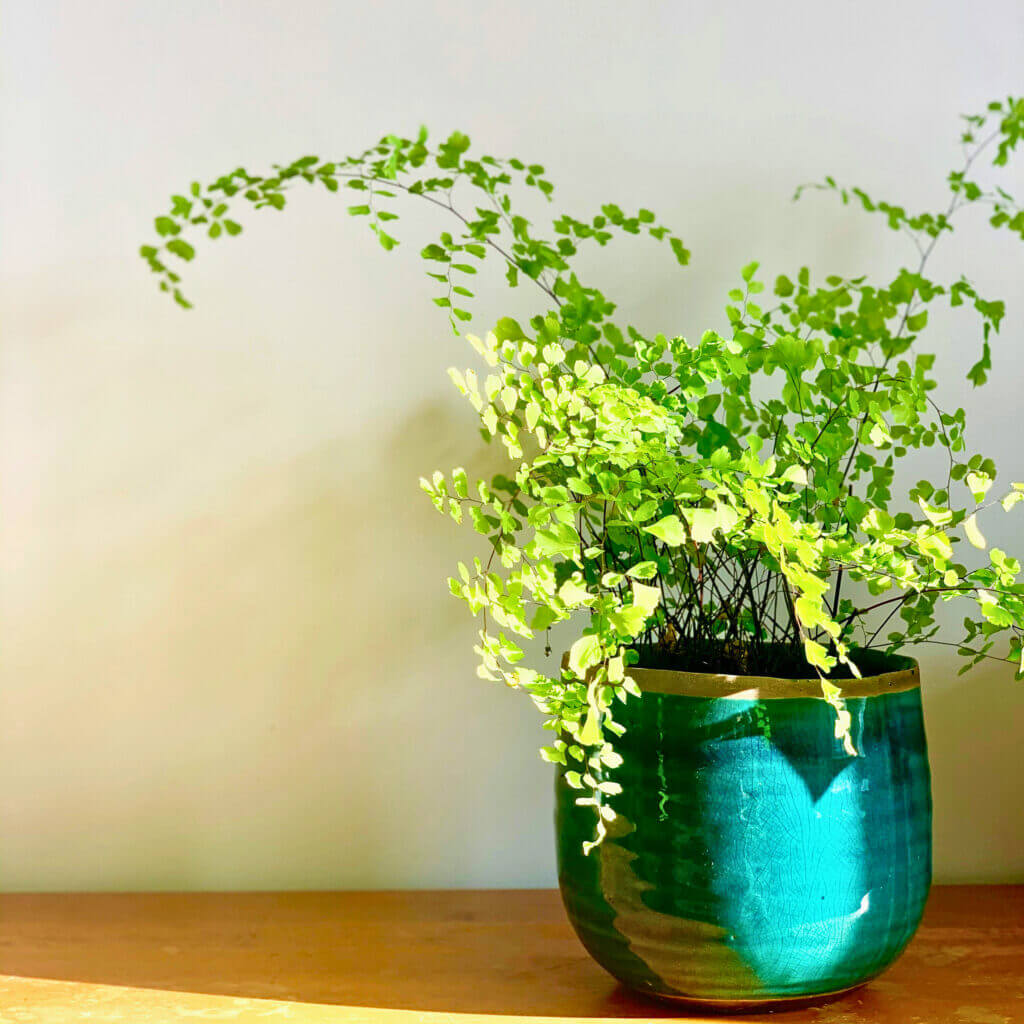
6) Maidenhair Fern (Adiantum)
Maidenhair ferns are a popular houseplants, loved for their delicate foliage on dark, wiry stems. They grow best in bright, indirect light but can manage slightly dimmer spaces if humidity is high. Soil should remain consistently moist, as even brief drying out can cause leaf drop.
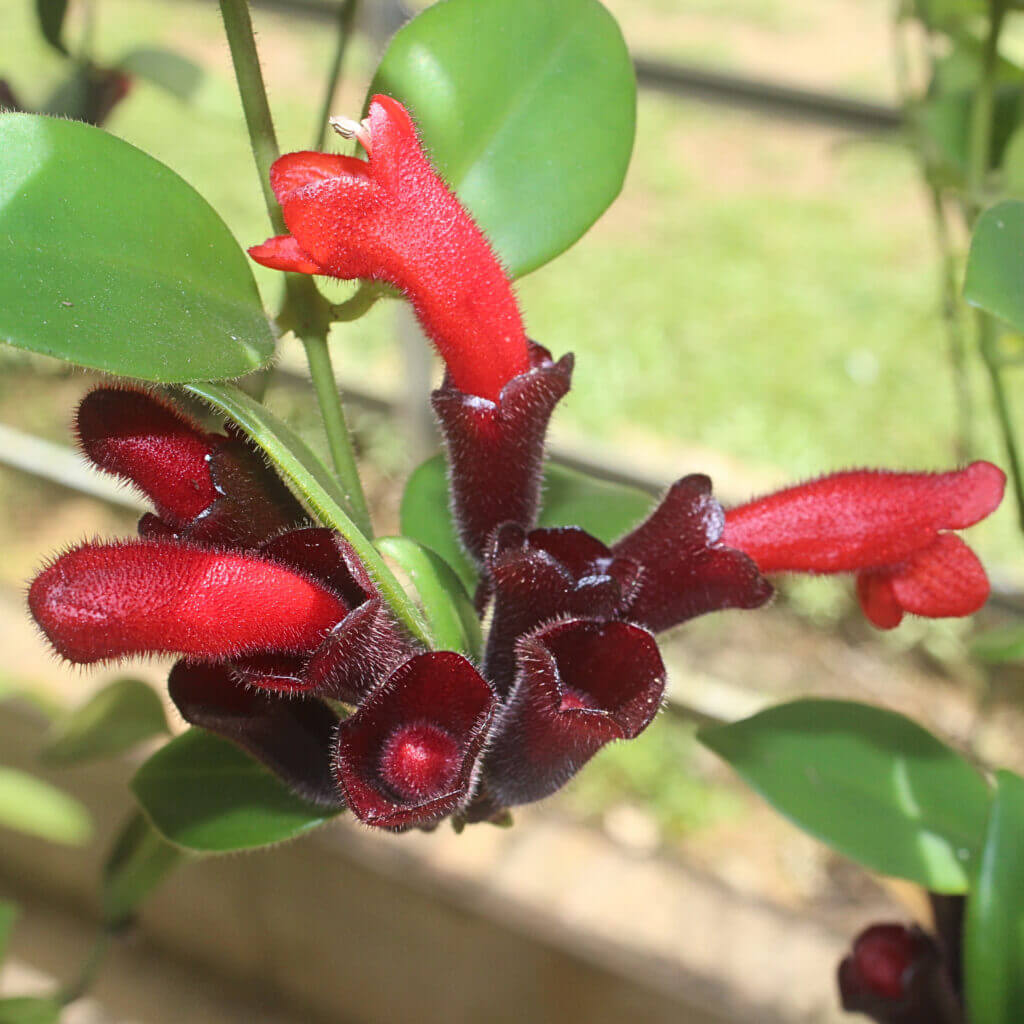
7) Lipstick Plant (Aeschynanthus)
A trailing tropical plant, the lipstick plant produces glossy foliage and vivid tubular flowers. It thrives in warm, humid rooms with filtered light. Free-draining soil is essential, as waterlogged roots can quickly lead to leaf drop or poor flowering.
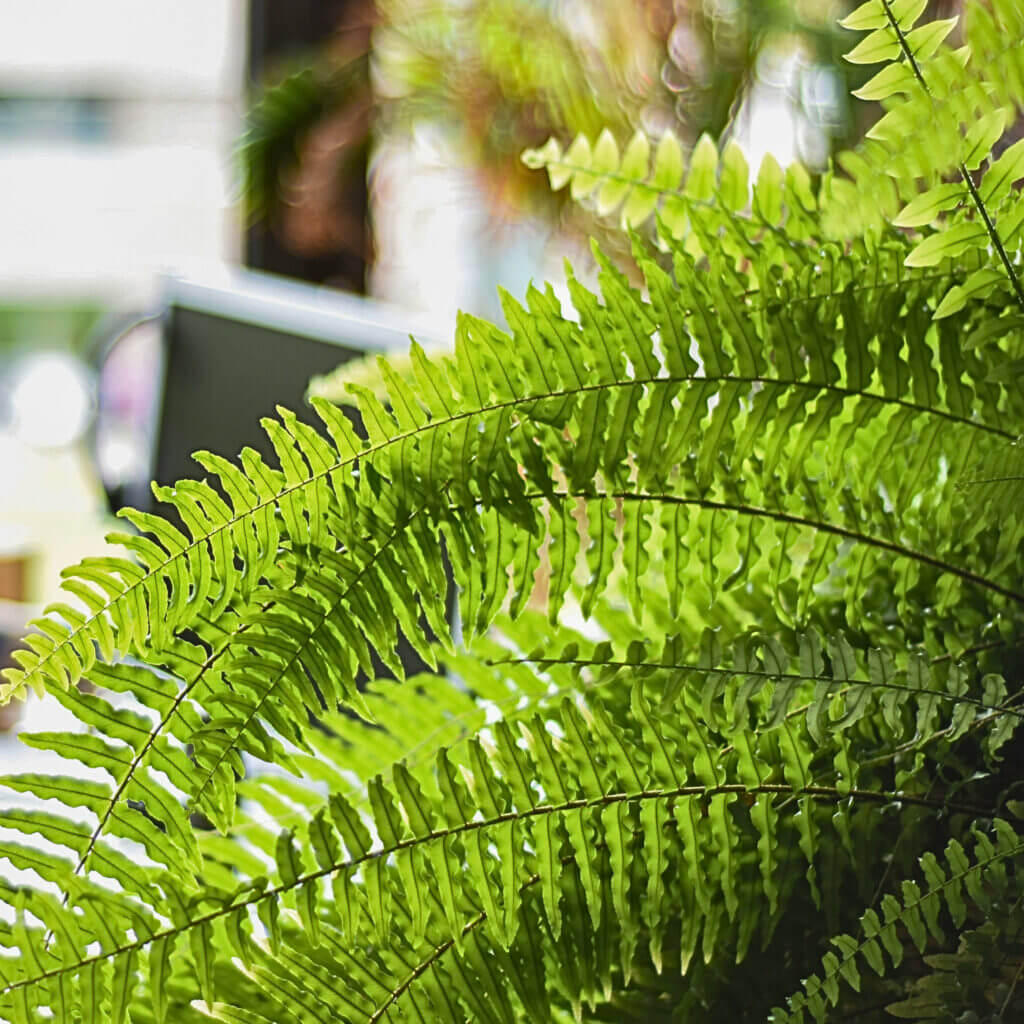
8) Boston Fern
Boston ferns are gorgeous plants with soft, feathery fronds that brighten indoor spaces. They thrive in humid air and indirect light, with soil kept evenly moist. Bathrooms with windows are ideal, though with regular misting they can tolerate drier household conditions.
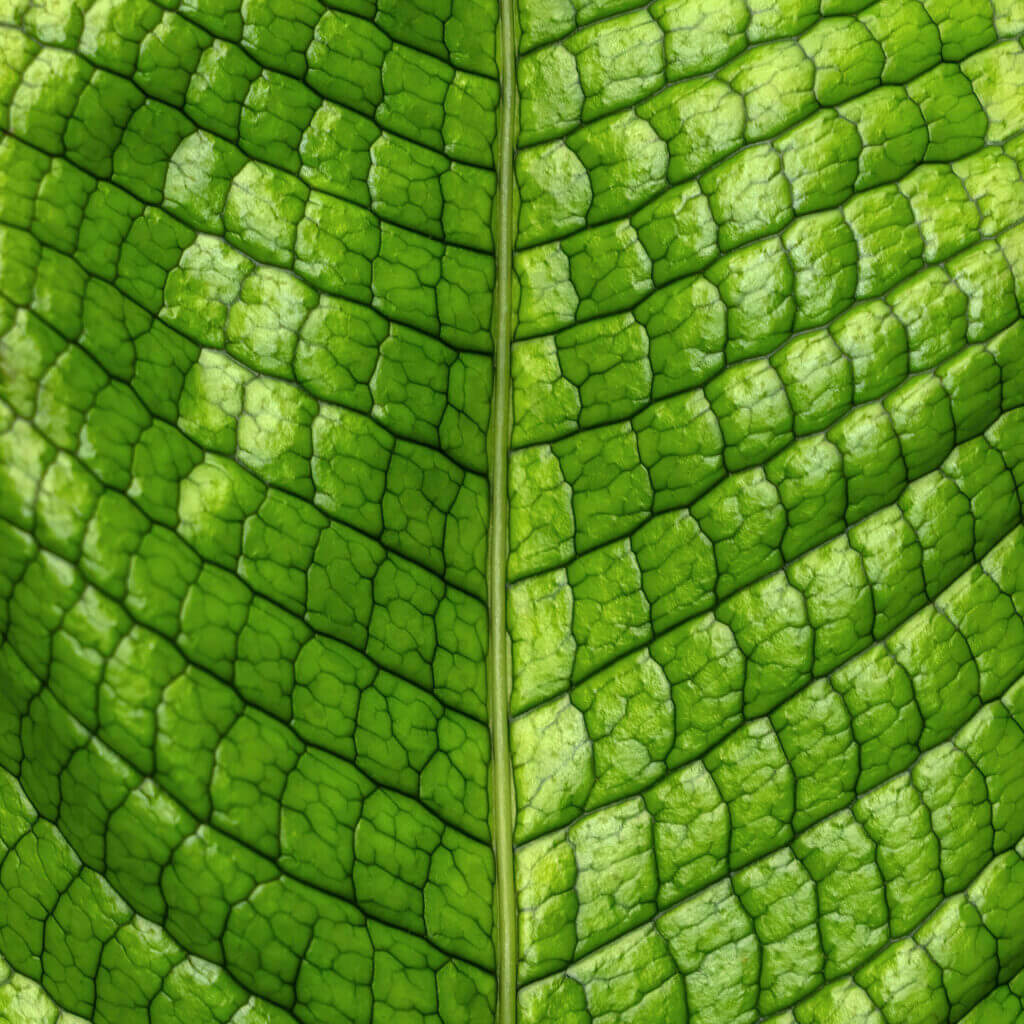
9) Crocodile Fern
This fern is named for the fascinating textured pattern on its long leaves. It prefers warm temperatures, consistent moisture, and humidity. Bright, indirect light works best, but be careful placing it on a windowsill as dry air or cold drafts can cause leaf damage.
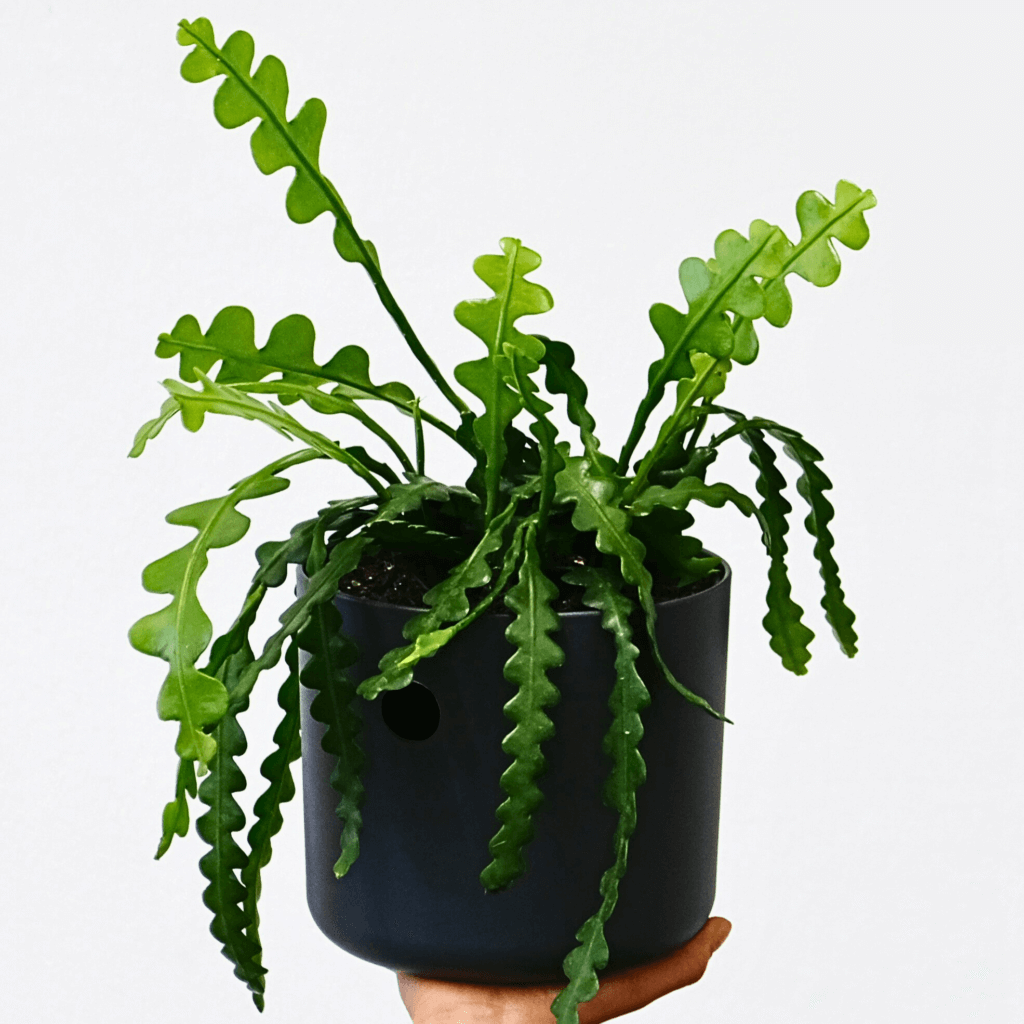
10) Fishbone Cactus
Despite being a cactus, this plant prefers humidity over dry air. Its zigzag stems trail attractively from shelves or hanging pots. Prolonged drought can cause shriveling so be sure to water regularly and keep in bright but indirect light.
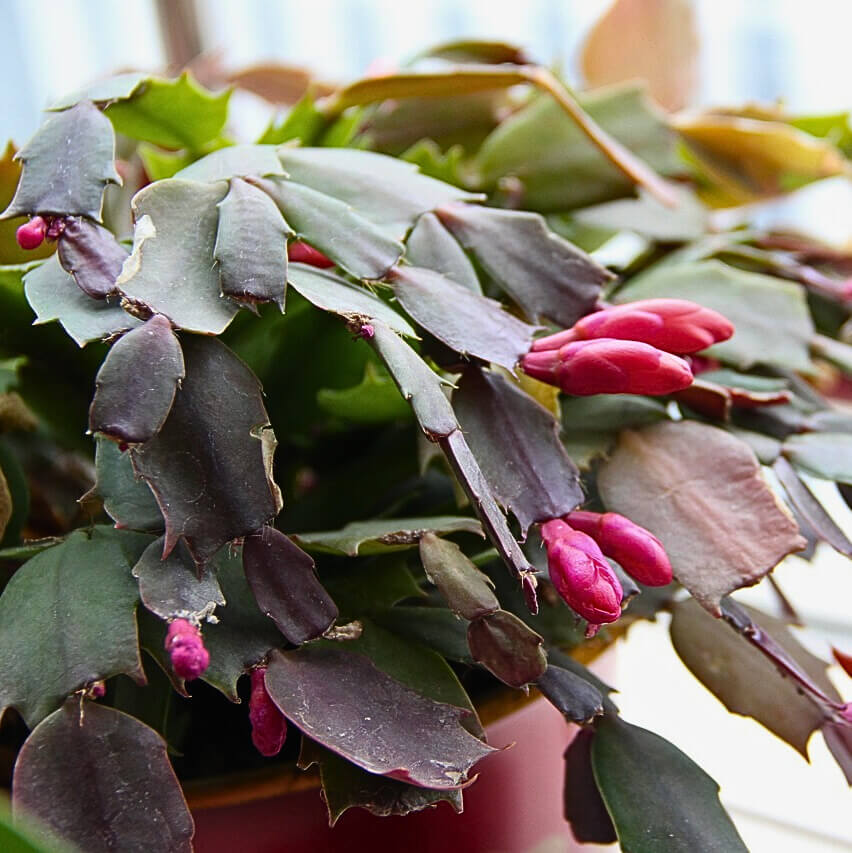
11) Christmas Cactus
Not just for Christmas! When they arent brightening the room with striking red, pink, or while flowers, these iconic houseplants earn their keep with their lush architectural silhouettes. They grow naturally in rainforest environments, so are happiest in humid spaces with moderate watering and indirect light. Cooler temperatures in autumn encourage winter blooms, while consistently damp soil should be avoided to prevent root problems.
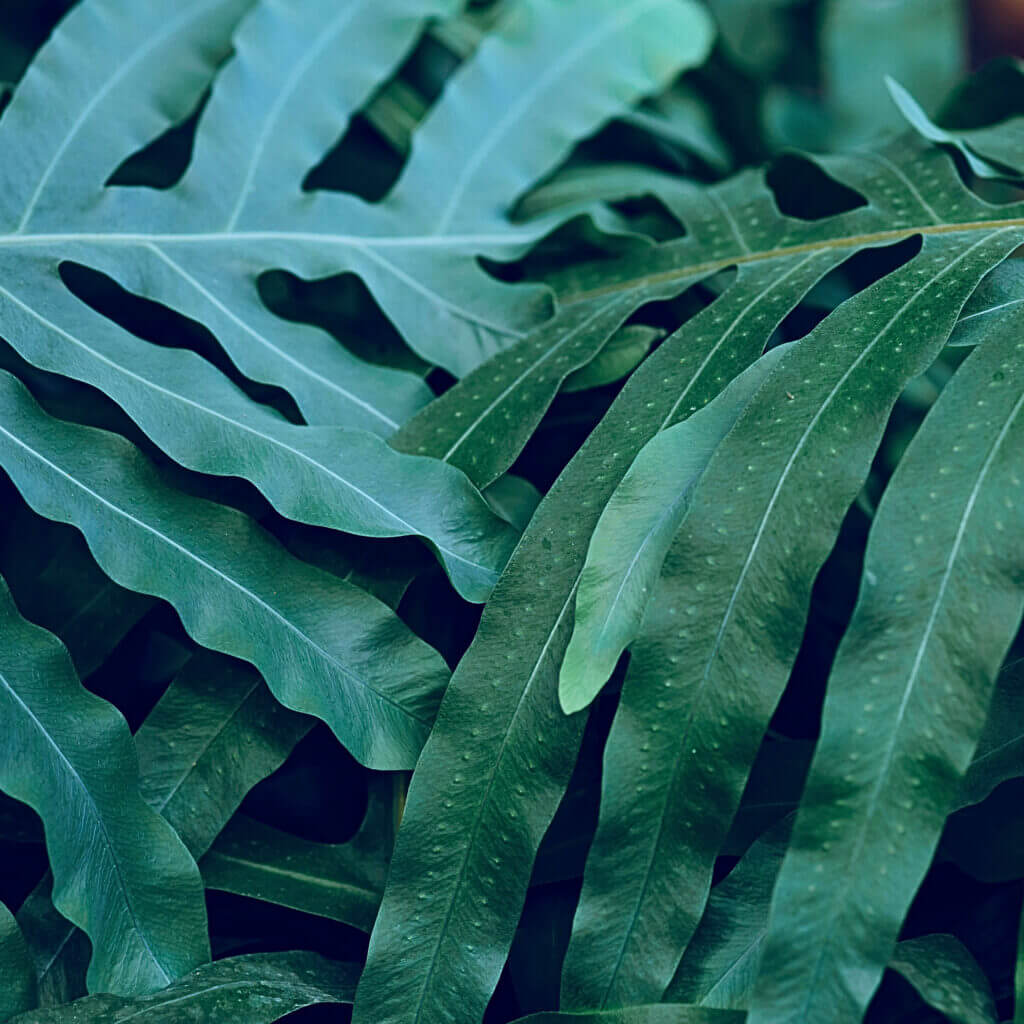
12) Blue Star Fern (Phlebodium aureum)
Recognized by its blue-green fronds and fuzzy surface rhizomes, this fern performs best when given steady moisture and indirect light. Its an ideal candidate for humid rooms – just allow the top layer of soil to dry slightly between waterings.
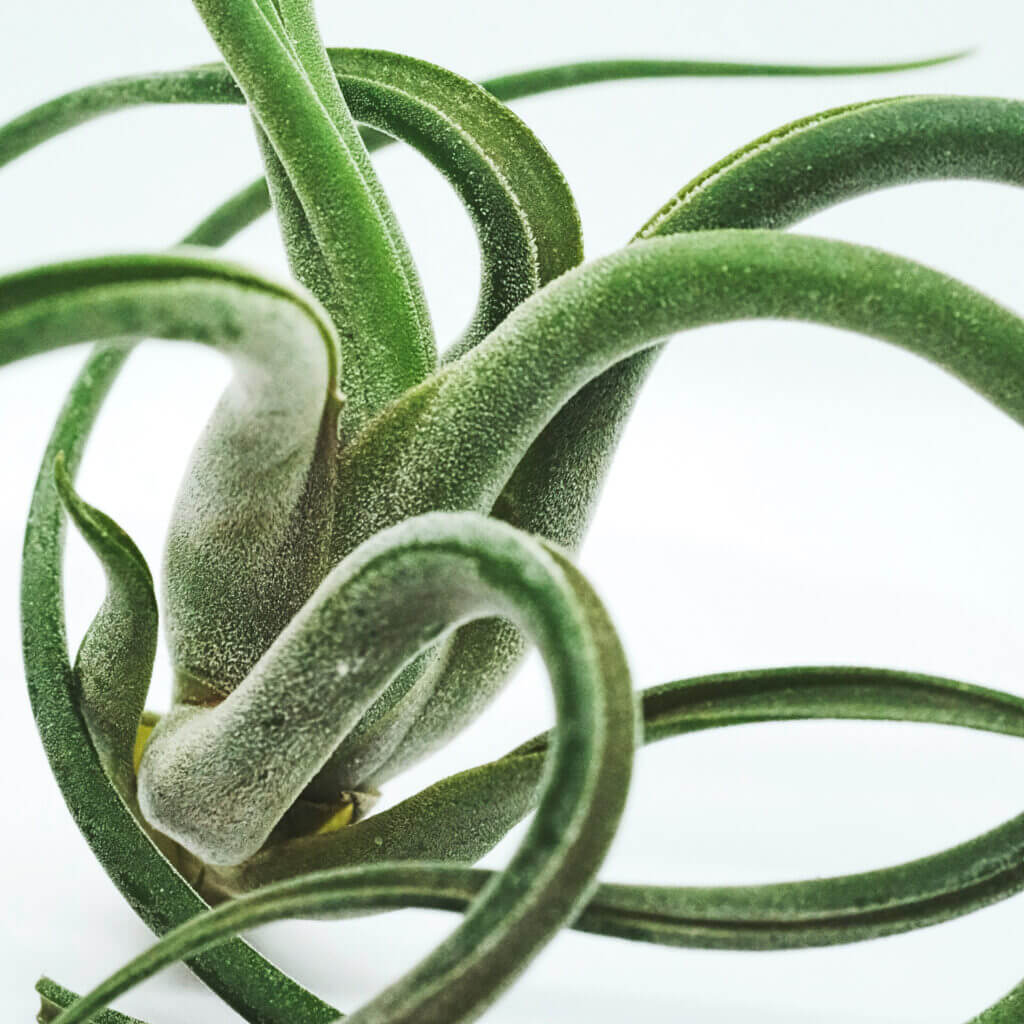
13) Air Plants (Tillandsia)
Air plants are striking, unusual plants which require no soil at all. Because of this they require daily misting or high humidity to thrive, as well as bright, indirect light and good airflow. They make perfect additions to a Terrarium or suspended in interesting containers. Air plants should be soaked periodically and allowed to dry fully afterward.
Bright Light Areas
These cat safe houseplants are perfect for well-lit rooms and spaces near bright windows. Some of these plants love strong, direct light but for those who like it bright but indirect make sure to keep them out of the midday sun.
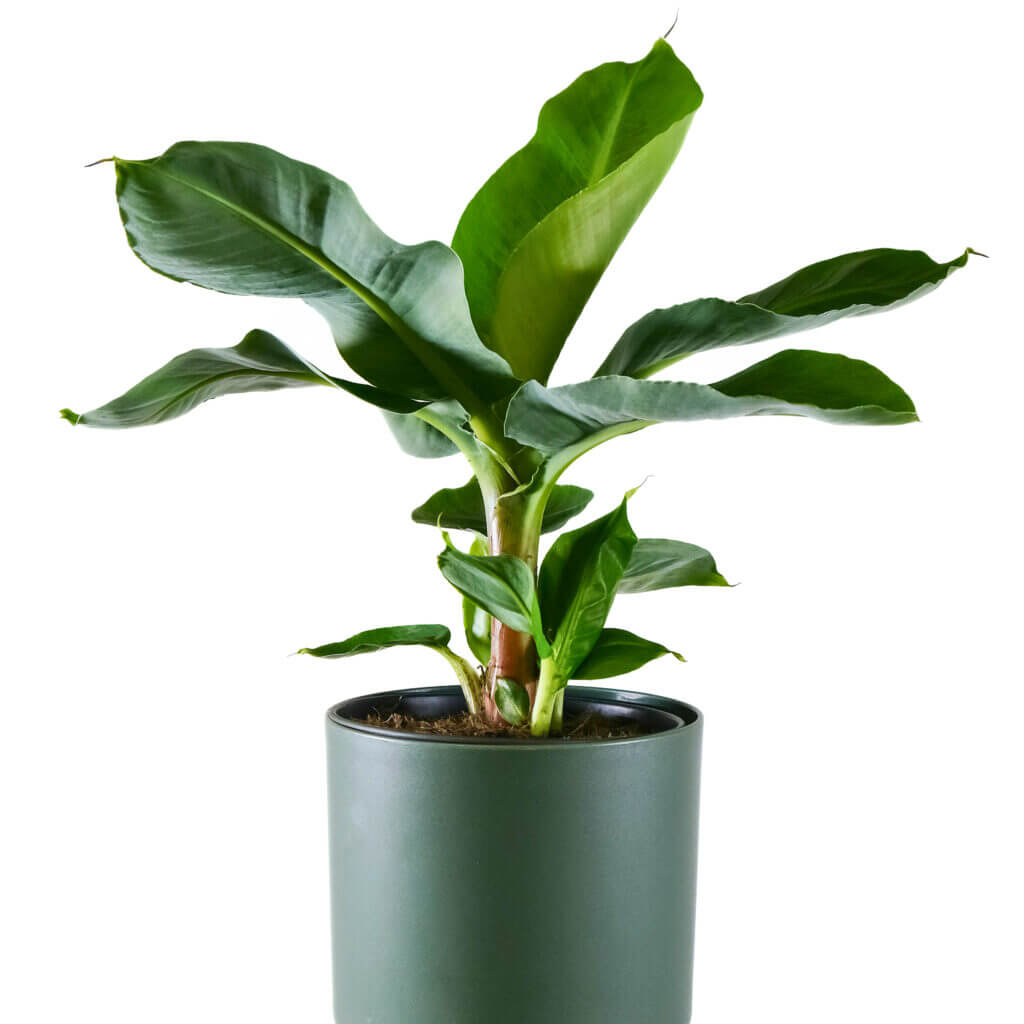
14) Banana Plant (Musa Cavandish)
Banana plants bring bold, tropical foliage indoors with their large, paddle-shaped leaves. With bright light, rich soil, and regular watering, they should grow well and make an excellent statement plant – just don’t expect them to bear fruit. Choose the dwarf variety Musa Cavendish for a pint sized splash of tropical beauty.
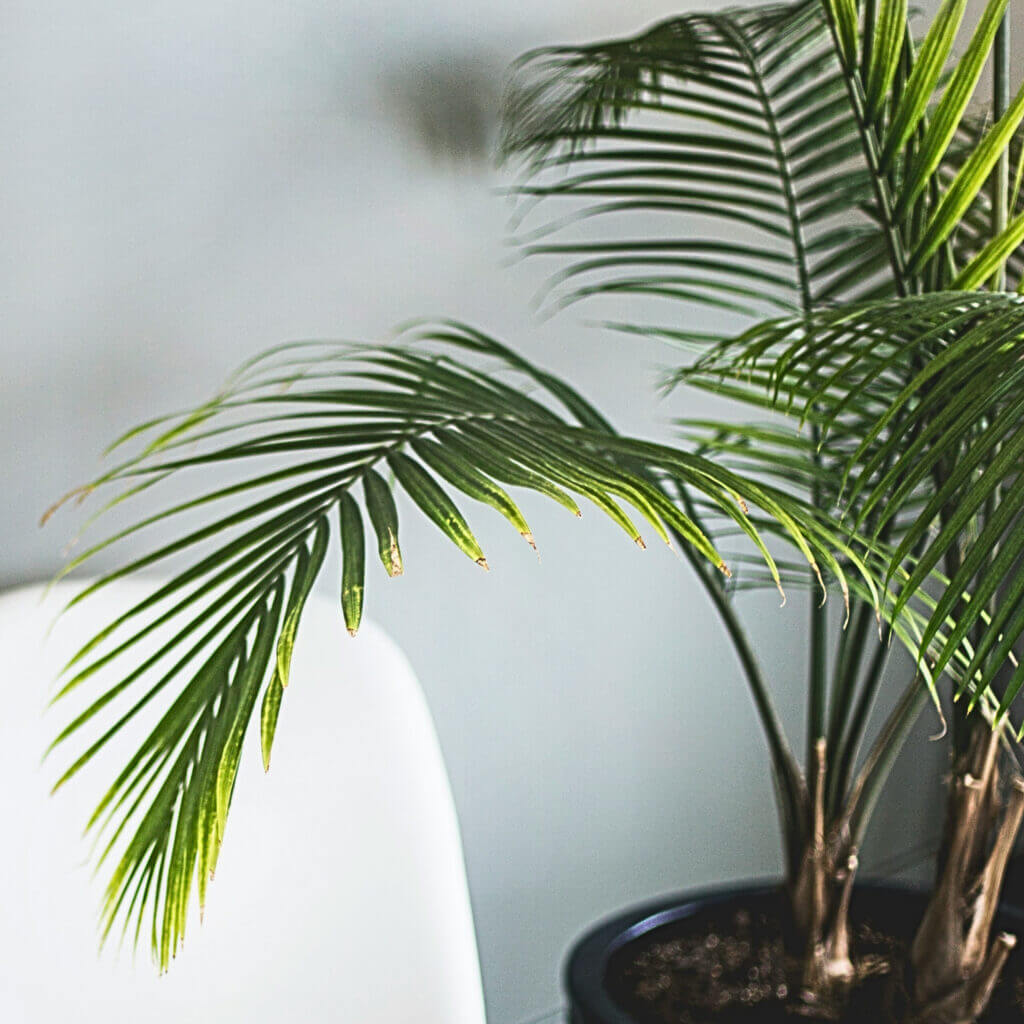
15) Coconut Palm (Cocos nucifera)
While challenging to grow, the Coconut Palm will reward your efforts with its distinctive tropical aesthetic. They require strong light and warm conditions to thrive indoors. They prefer consistently moist soil without becoming waterlogged and benefit from added humidity.
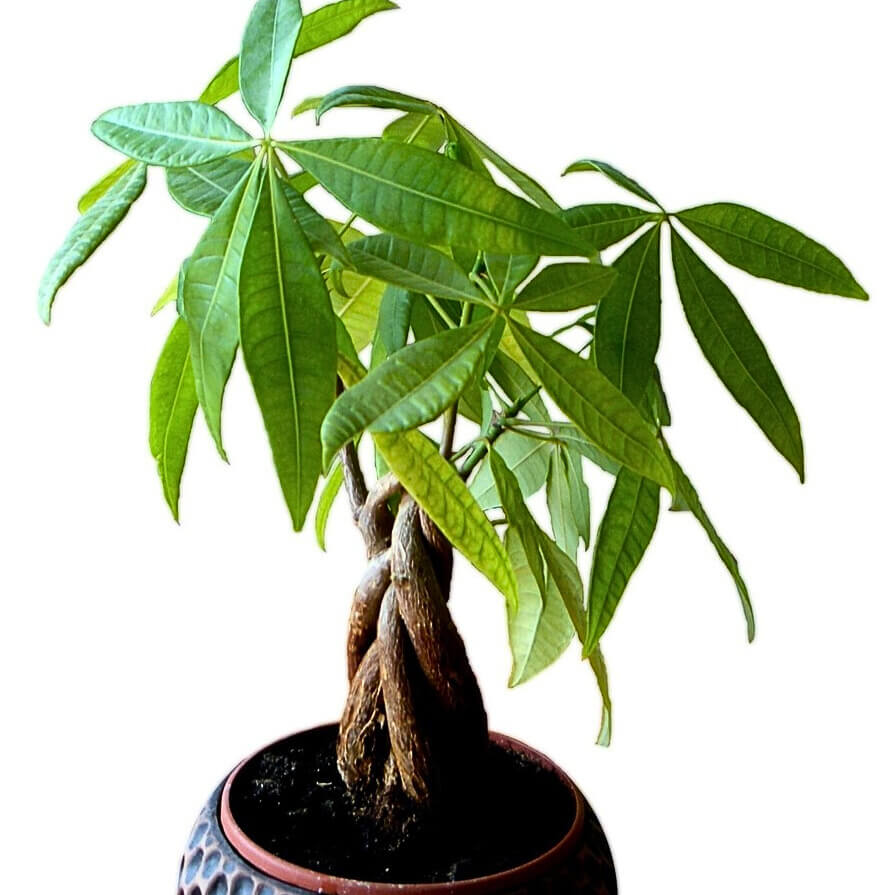
16) Money Tree (Pachira aquatica)
Famous for it’s lush leaves and iconic braided trunk, the money tree adapts well to bright, indirect light. Allow the top of the soil to dry between waterings. Overwatering is a common issue, so good drainage is essential for long-term health.
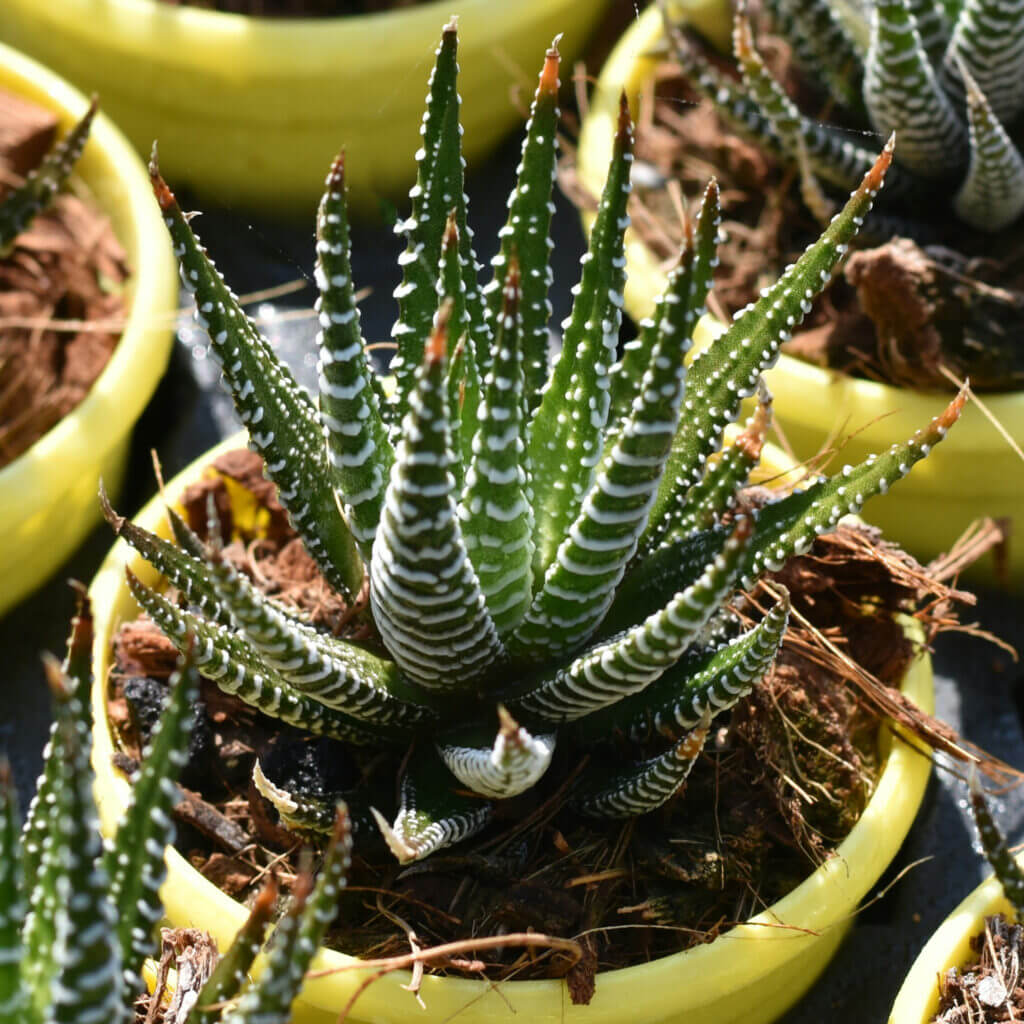
17) Zebra Plant (Zebra Haworthia)
This small but striking succulent features pointed leaves with pale striping. It grows slowly and prefers bright light without intense midday sun. Allow soil to dry fully between waterings, as excess moisture can cause root rot or leaf softening.
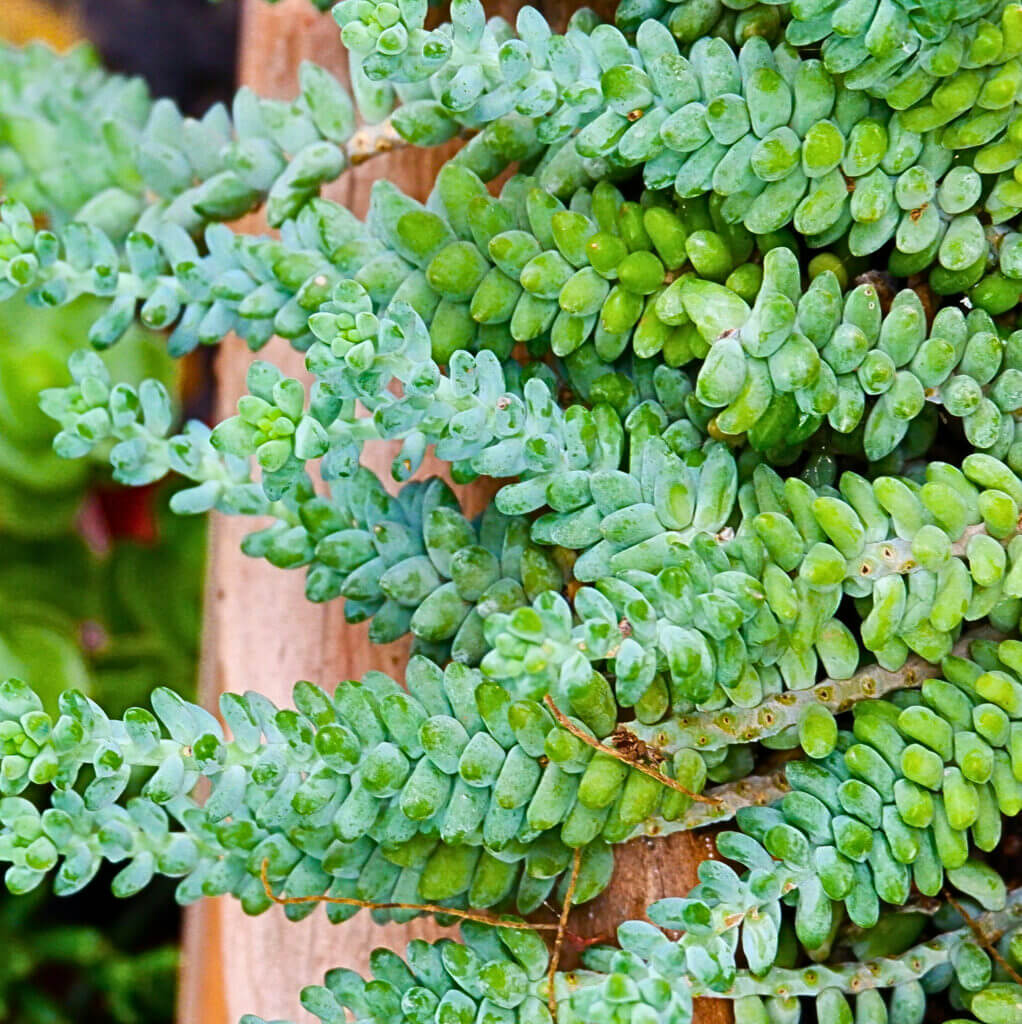
18) Sedum
Sedums are resilient succulents with thick, water-storing leaves. Indoors, they prefer bright conditions and infrequent watering. Let the soil dry completely between waterings to prevent rot, especially during cooler months when growth slows.
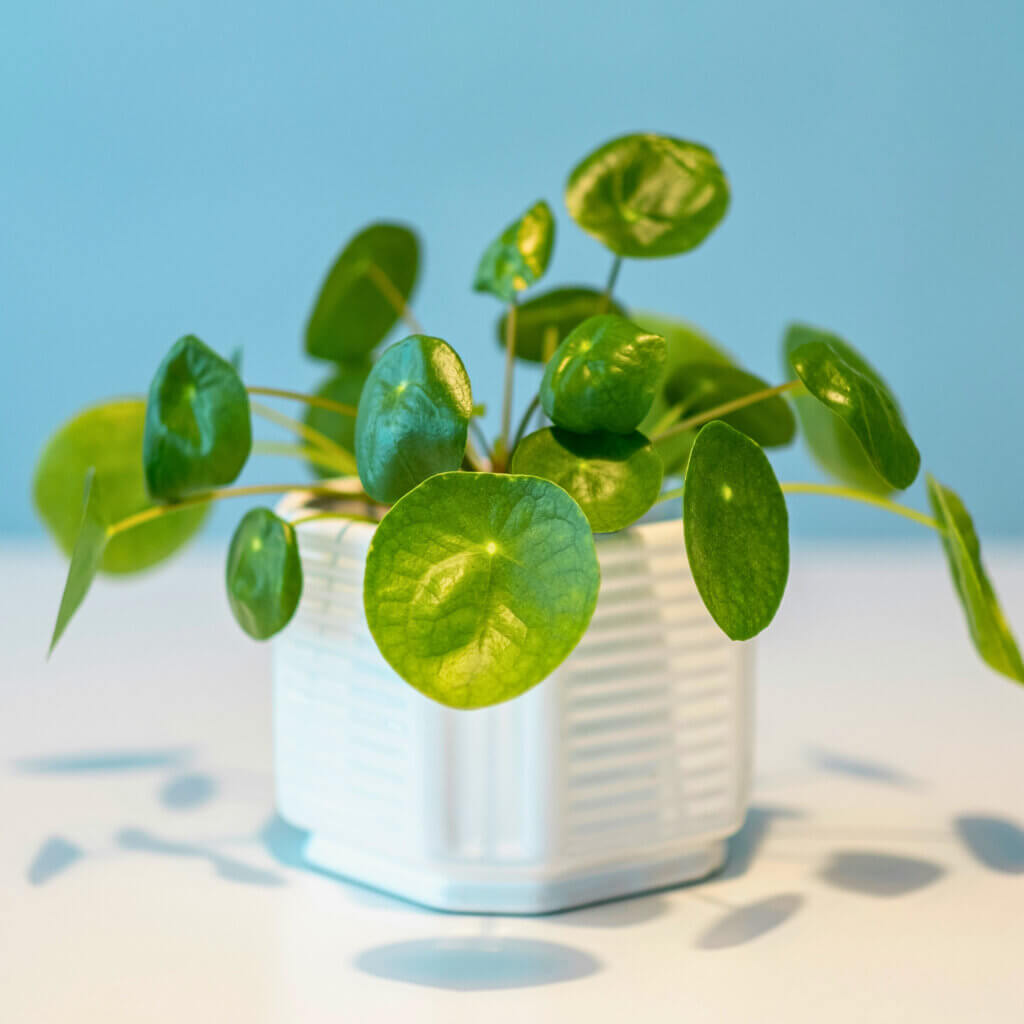
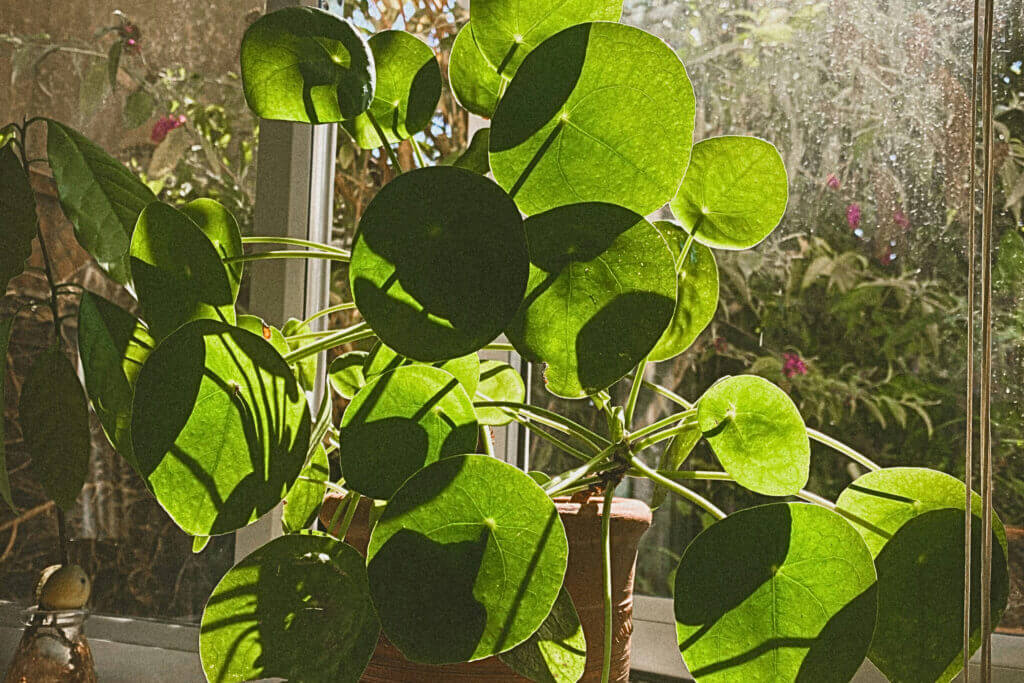
19) Chinese Money Plant (Pilea Peperomioides)
Pilea Peperomioides is an easy-care houseplant with distinctive round, coin-shaped leaves held on slender stems. It prefers bright, indirect light but adapts well to moderate light levels. Allow the soil to dry between waterings, and rotate the pot regularly to encourage even growth.
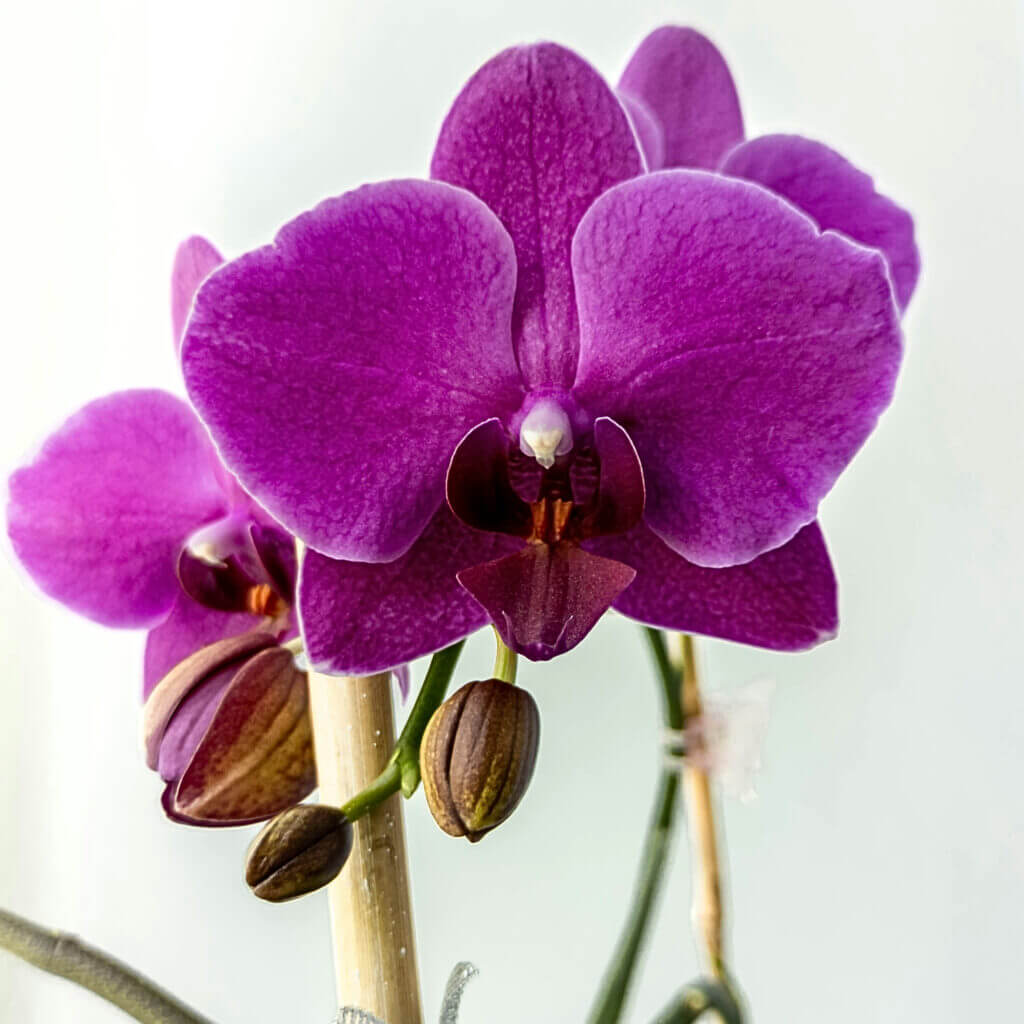
20) Moth Orchid (Phalaenopsis orchids)
Orchids are elegant, long-flowering plants that thrive in bright, indirect light. They prefer to dry slightly between waterings and require excellent drainage. When cared for properly they can bloom multiple times a year.
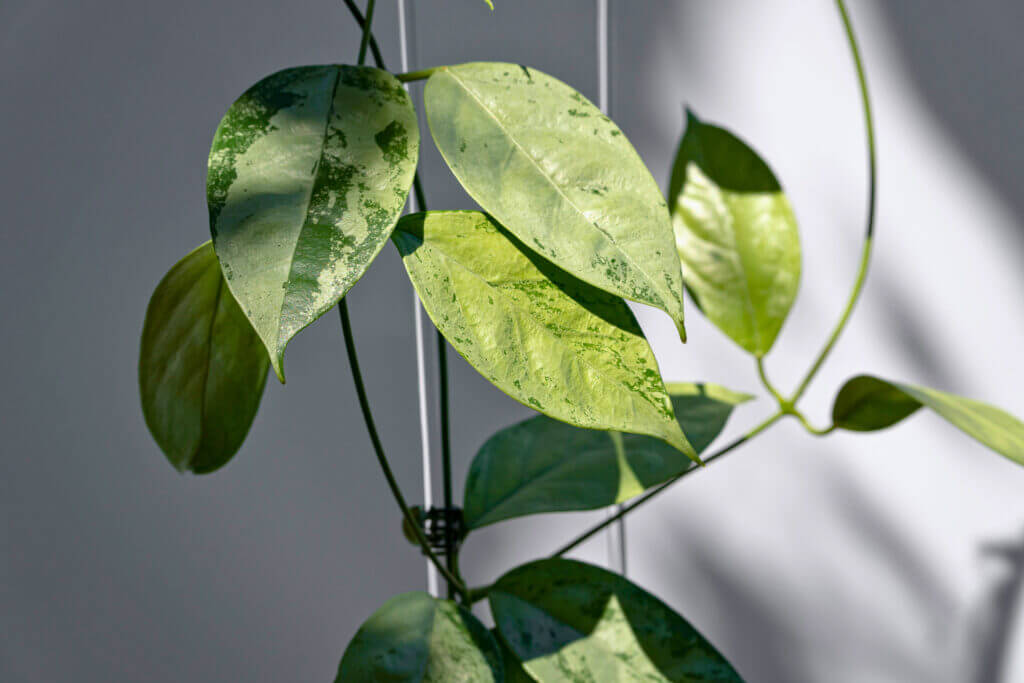
Trailing & Hanging
These cat safe houseplants are ideal for shelves and hanging planters. They make great choices for bookshelves, bedrooms, and home offices.
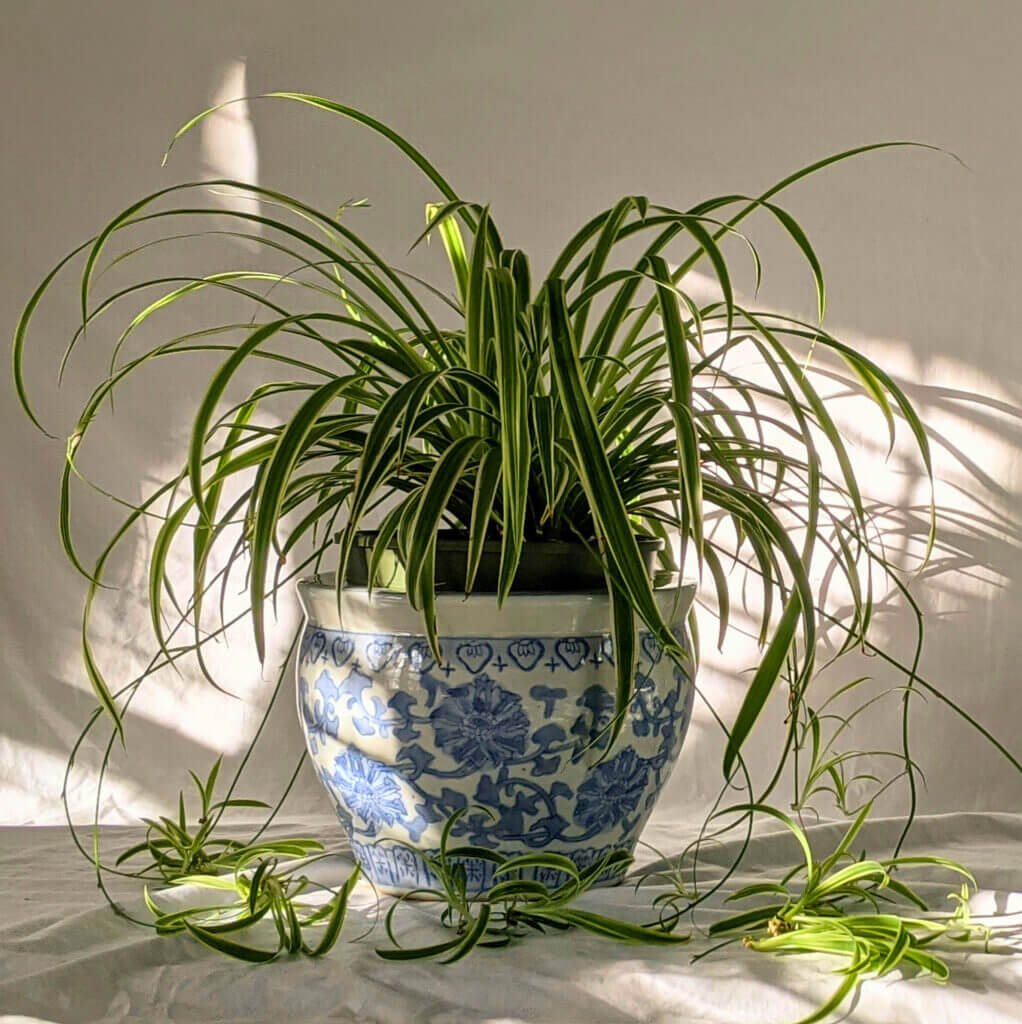
21) Spider Plant (Chlorophytum comosum)
One of the easiest plants you can grow, Spider plants produce arching, variegated leaves and dangling plantlets that trail attractively. They tolerate a wide range of light levels and adapt easily to indoor conditions. Keep soil lightly moist but never soggy.
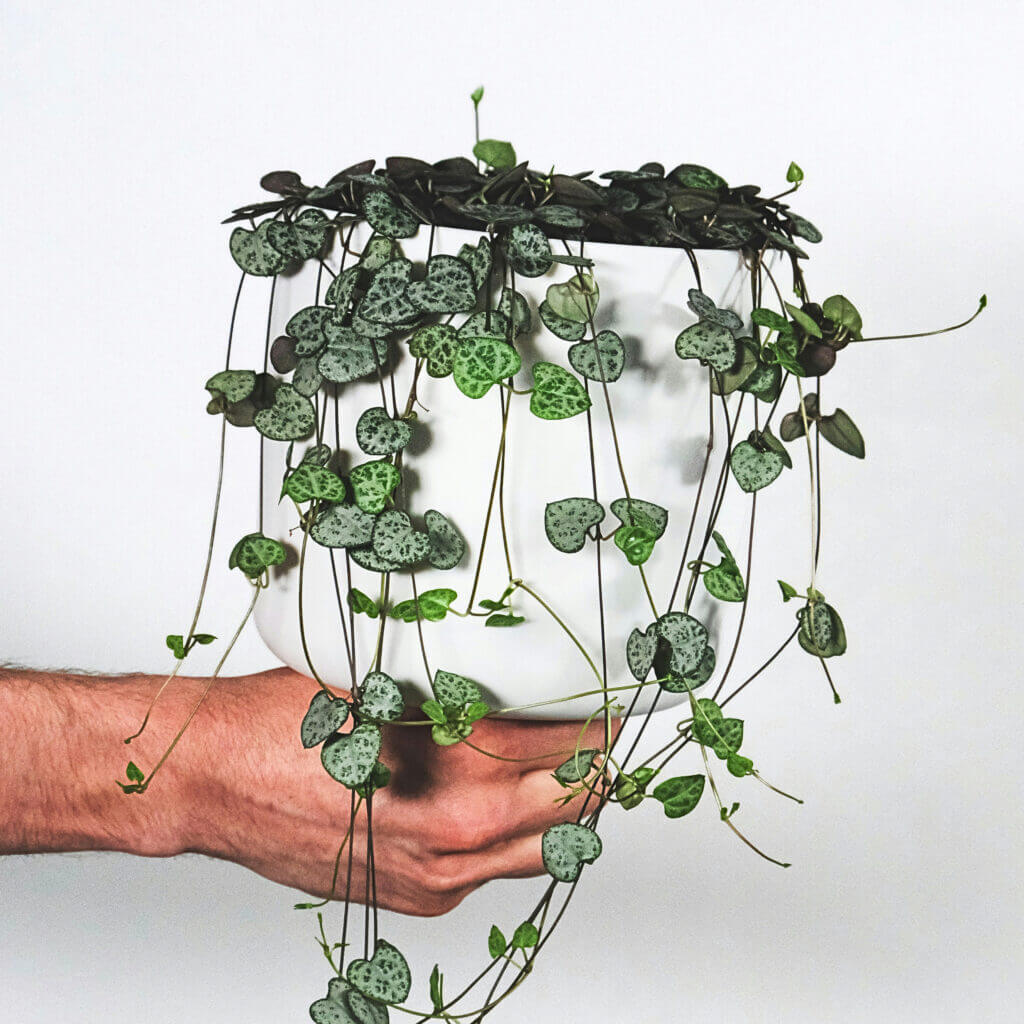
22) String of Hearts (Ceropegia woodii)
This trailing plant features small, heart-shaped leaves along thin stems. It prefers bright light and minimal watering. Be sure to allow soil to dry between waterings as overwatering is the most common reason for this plant to fail.
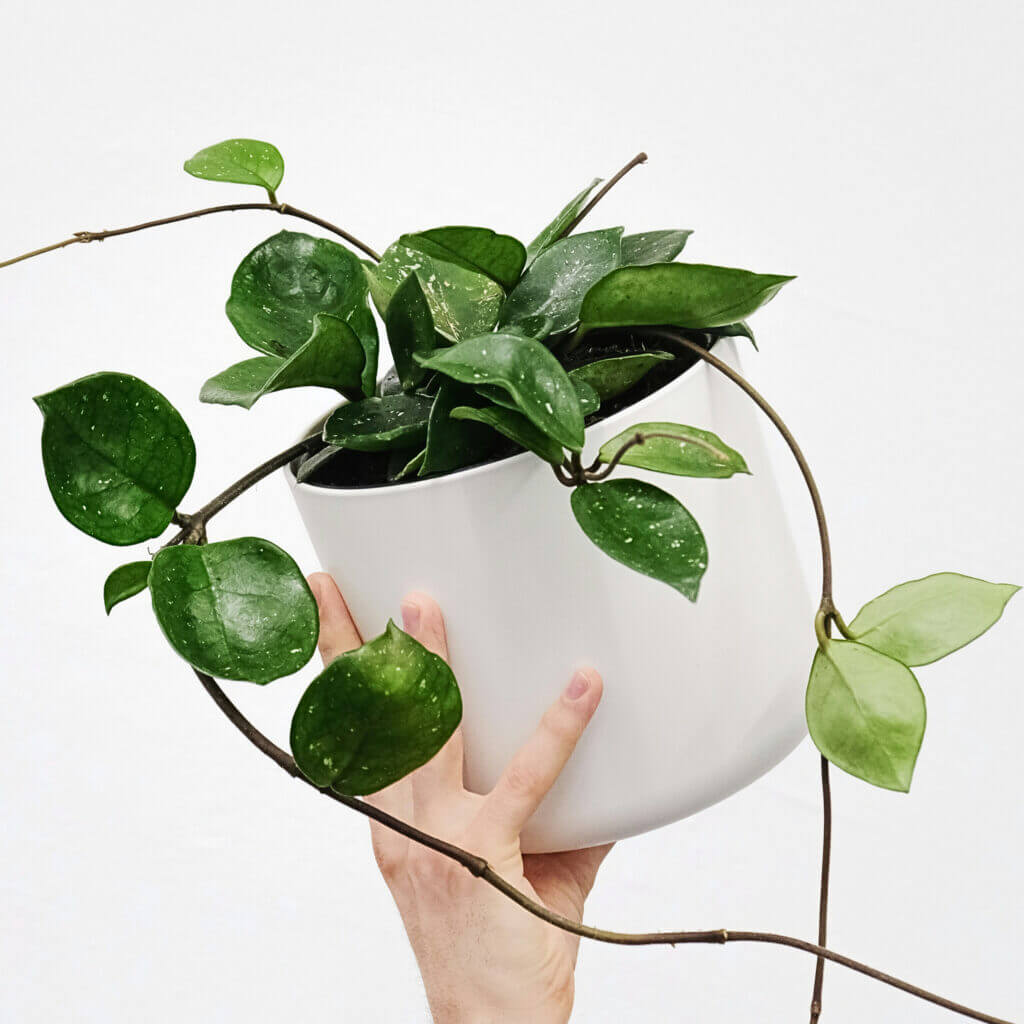
23) Wax Plant (Hoya)
Hoyas grow as climbers or trailers with thick leaves and clusters of fragrant flowers. They prefer bright, indirect light and consistent care. Keep soil lightly moist during growth and reduce watering in winter when growth slows.
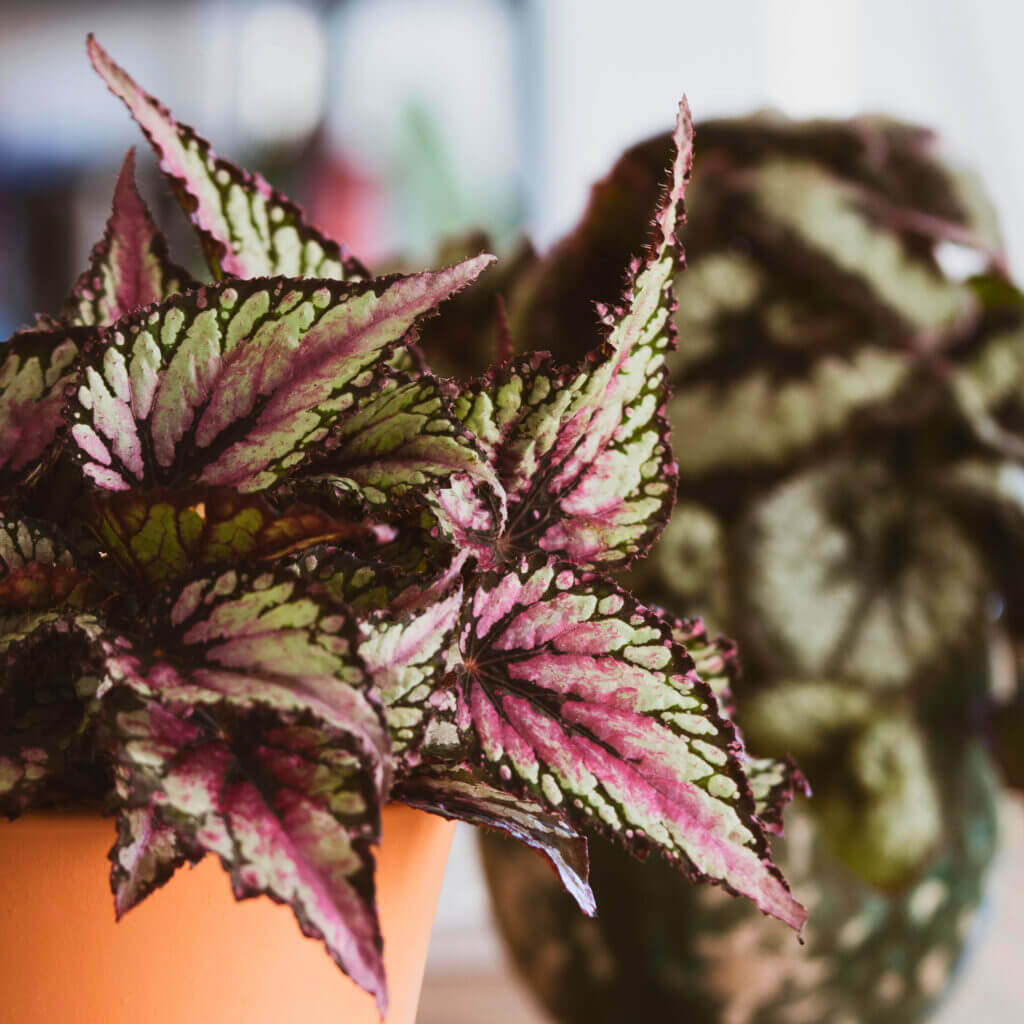
24) Rex Begonia Vine
Grown for its striking foliage rather than flowers, this vine can trail or climb of supported. It prefers bright, indirect light and evenly moist soil during the growing season. Higher humidity enhances leaf color and overall appearance.
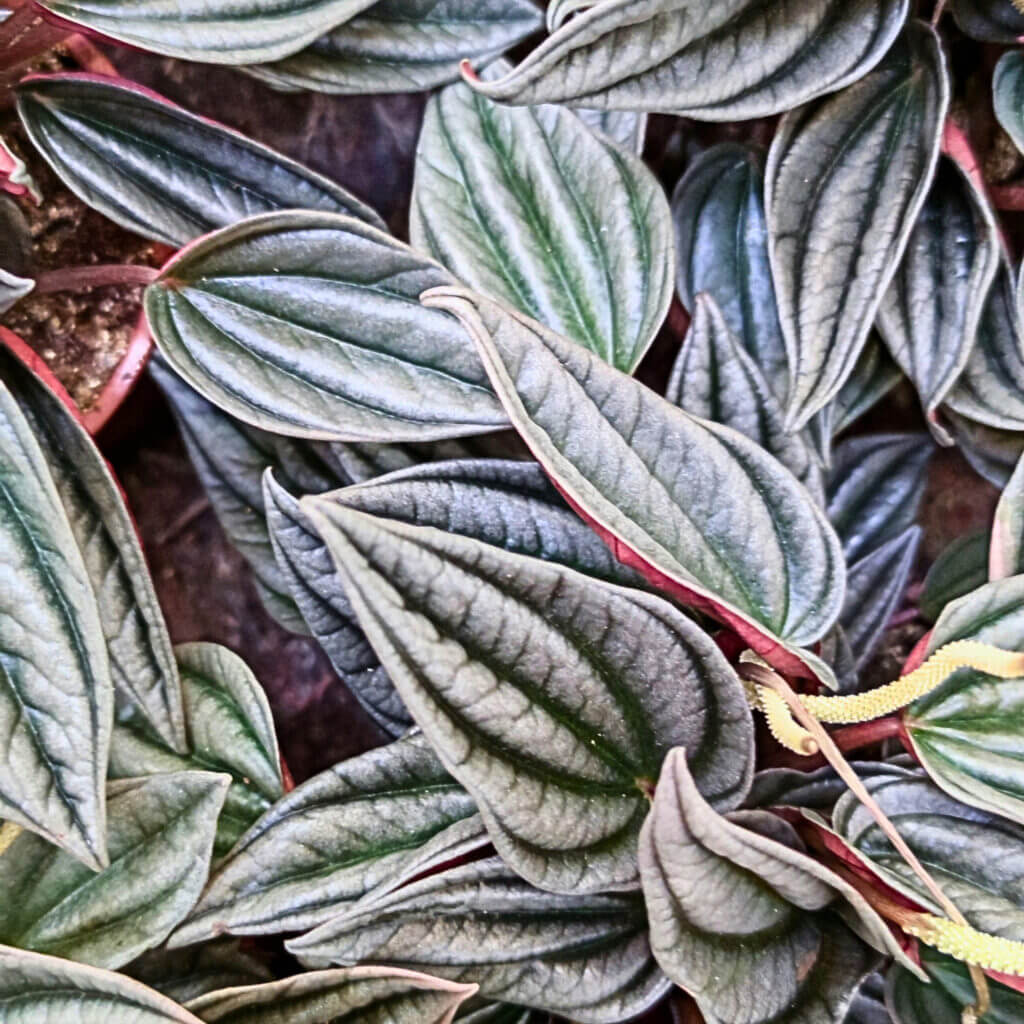
25) Peperomia
Peperomias come in many forms, from compact upright plants to trailing varieties. Most prefer moderate light and infrequent watering. Their thick leaves store moisture, allowing them to tolerate occasional neglect without issue.
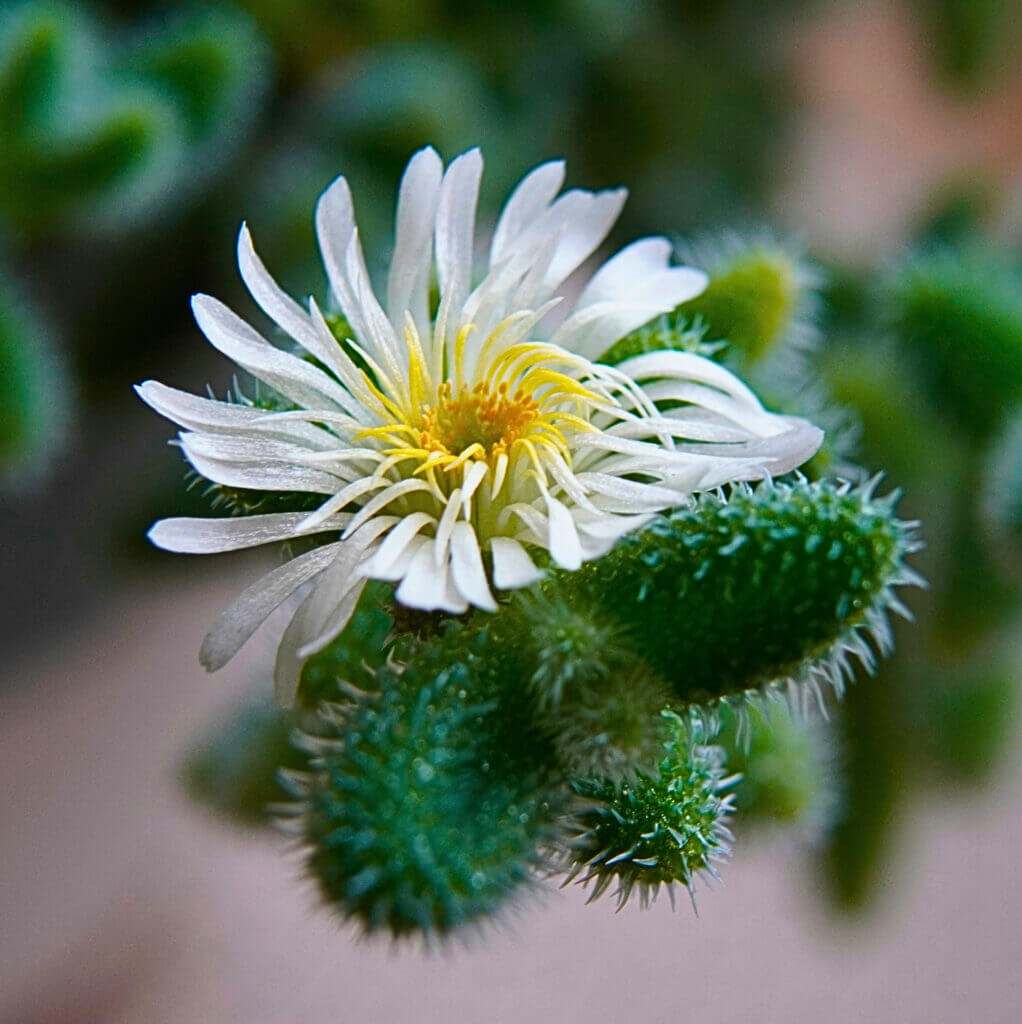
26) Pickle Plant (Delosperma Echinatum)
This unusual succulent has plump, fuzzy leaves and a compact habit. It prefers bright light, excellent drainage, and minimal watering. Keep soil mostly dry in winter to prevent rot and maintain healthy growth.
Final Thoughts
These cat safe houseplants make it possible to enjoy indoor greenery without worrying about curious paws. By matching plants to the environments they naturally prefer, you’ll create a healthier home for both your plants and your pets.
This collection was compiled with reference to guidance from Cats Protection. For more information you can view the original page and download their free PDF here.
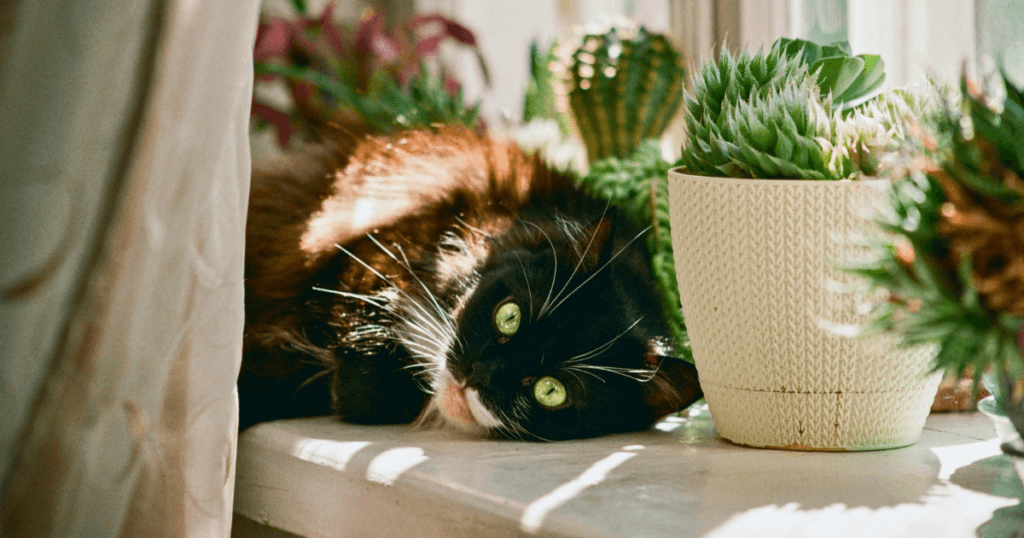
Looking for more pet safe plants?
Check out the complete guide to pet safe plants. Get advice on how to choose the right plants for your space and schedule, as well as creative ideas for how to style them.